
Are you looking to go on your first trip to Reykjavik? In this guide, I have detailed all the must-do things when visiting Reykjavik for the first time — but hopefully you’ll learn something new even if you are a returning visitor!
Below are some of the top tours, hotels, and more! Donʻt forget to plan ahead when visiting Reykjavik and nearby! 🇮🇸 Top activities and tours in Reykjavik: 🛌 Top places to stay in Reykjavik: 🚗 Visiting Reykjavik independently? Be sure to book your Iceland rental car ahead of time to ensure availability!
Reykjavik is one of my favorite capital cities, and I fell in love with it within hours of arriving in the city. Something about how cozy it is makes you feel instantly at home and comfortable. However, planning a trip there can be a bit daunting, since despite its small size, there is an overwhelming amount of things to do in Reykjavik!
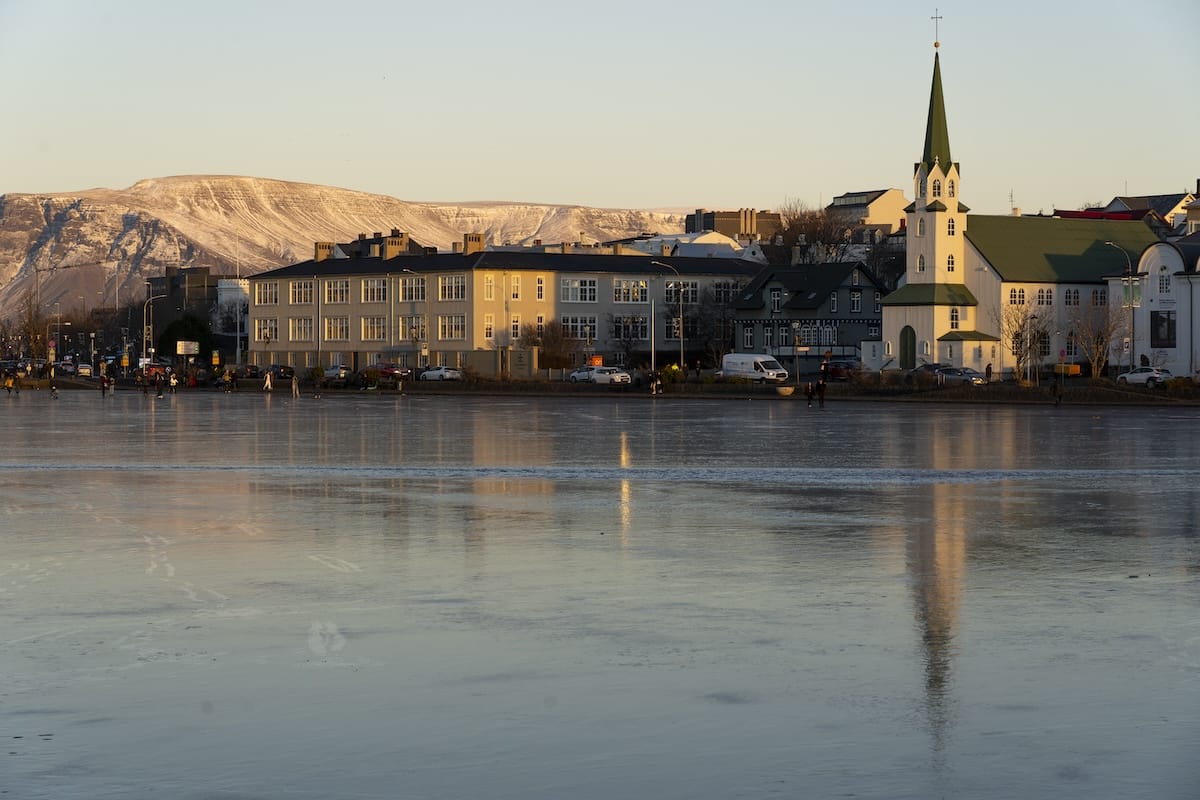
While it is unlikely you can do everything in this guide in a single trip, I hope to give you a starting point where you can pick and choose the activities and tours that call to you most, which is also partly dependent on the time you visit. For example, you can’t do an aurora tour in the middle of summer!
Here is my list of the perfect things to do on your first trip to Reykjavik. If you feel I have missed something off my list or have a question, please leave a comment below!
Best Things to Do in Reykjavik
1. Enjoy the panoramic views from Hallgrimskirkja Church
Hallgrimskirkja Church, in central Reykjavík, is one of the country’s most iconic structures. Standing at nearly 75 meters tall, it is the largest church in Iceland. Construction began in 1945 and was finally completed in 1986.
Famous for its unique curved spire and airplane-like wings, Hallgrimskirkja is seriously impressive from an architectural perspective. However, what truly blows people away is the view from the Church’s tower.
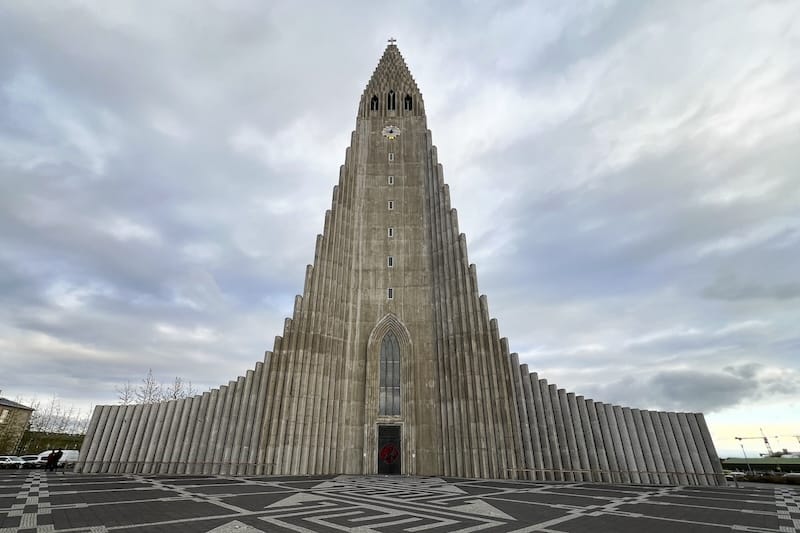
For 1,300 ISK (about $9 USD) tourists can walk up the tower and look out over the city. From here, you’ll be treated to the best views in Reykjavík!
Fun fact: This church was named after the famous Icelandic poet, Hallgrimur Pétursson!
Address: Hallgrímstorg 1, 101 Reykjavík
Opening Hours: 1 Sep – 30 Apr (10:00 – 16:30), depending on church services
2. Hunt for the Northern lights
One of the biggest draws to Reykjavik is the chance to see the Northern lights dancing above the city… however, seeing the Northern lights directly from the city center is actually rather challenging due to light pollution present in the city.
That doesn’t mean you can’t see the Northern lights in Reykjavik, though! On clear, cloudless nights, I recommend taking a walk to the area around the Grótta Island Lighthouse, when open views to the north provide a perfect spot for seeing the aurora.
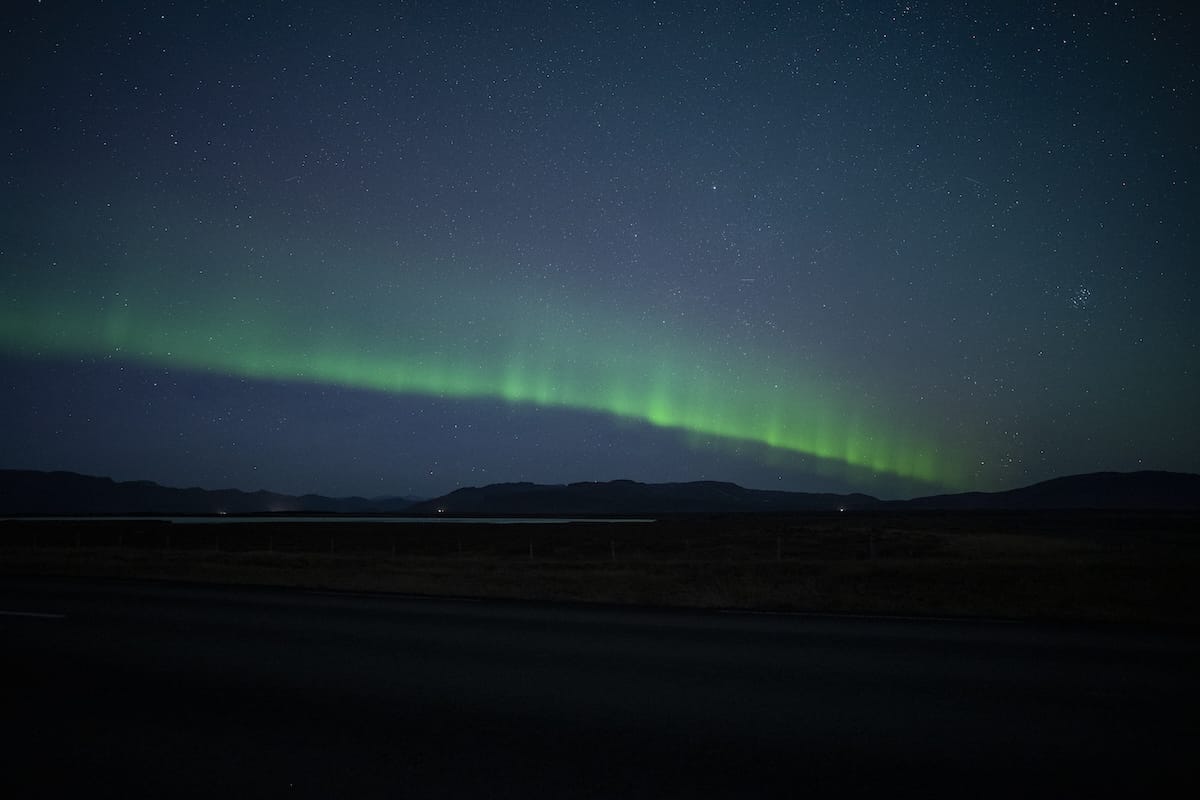
Alternatively, plenty of Northern lights tours from Reykjavik will take you out of the city and away from man-made lights to hunt for nature’s version, the aurora borealis. The advantage of taking an aurora tour is your guide will take you to the best spots outside of Reykjavik, try to find clear skies, help you spot the aurora, and often teach you how to photograph them.
The aurora season runs between September and April, sightings though are never guaranteed. If there’s cloudy or snowy weather or if there is not enough solar activity, you won’t be able to see it.
3. Watch the sunrise at Sun Voyager sculpture
Icelandic landscapes are already gorgeous, but they get better during time just before sunrise, when the country feels like something straight out of a fairytale. Arguably the best place to watch the sunrise in Reykjavik can be found at the Sun Voyager Sculpture!
The Sun Voyager Sculpture is a unique art piece made from granite and stainless steel. It was designed by Jón Gunnar Árnason, who won a competition to commemorate the 200th anniversary of Reykjavík in 1986.
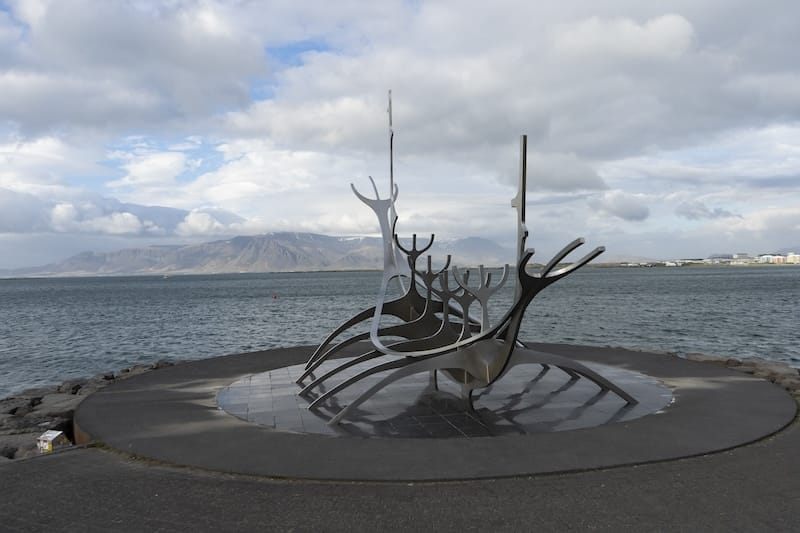
Found next to Sæbraut Road, I recommend visiting the sculpture at sunrise when the skies come to life with mesmerizing colors. You’ll likely see purple skies with a fire-red hue! And if you’re not usually a morning person, seeing the sunrise is quite easy during the winter, as the sun does not rise until late morning.
Fortunately, the views around the statue are breathtaking no matter the time of day you visit. Even if you are not an early riser, I still recommend checking the statue out at any point during the day!
4. Shop along Reykjavik’s famous Rainbow Street (Skólavörðustígur)
While Iceland is most famous for its powerful waterfalls, staggering glaciers, and ancient volcanoes, there are many beautiful man-made sights, especially in its capital city.
In the heart of Reykjavik, you will find a busy shopping street called Skólavörðustígur or more famously, Rainbow Street. Located between Bergstaðastræti and Laugavegur, Skólavörðustígur was painted as a sign of support for the LGBTQ community and is now one of the major focal points in the city.
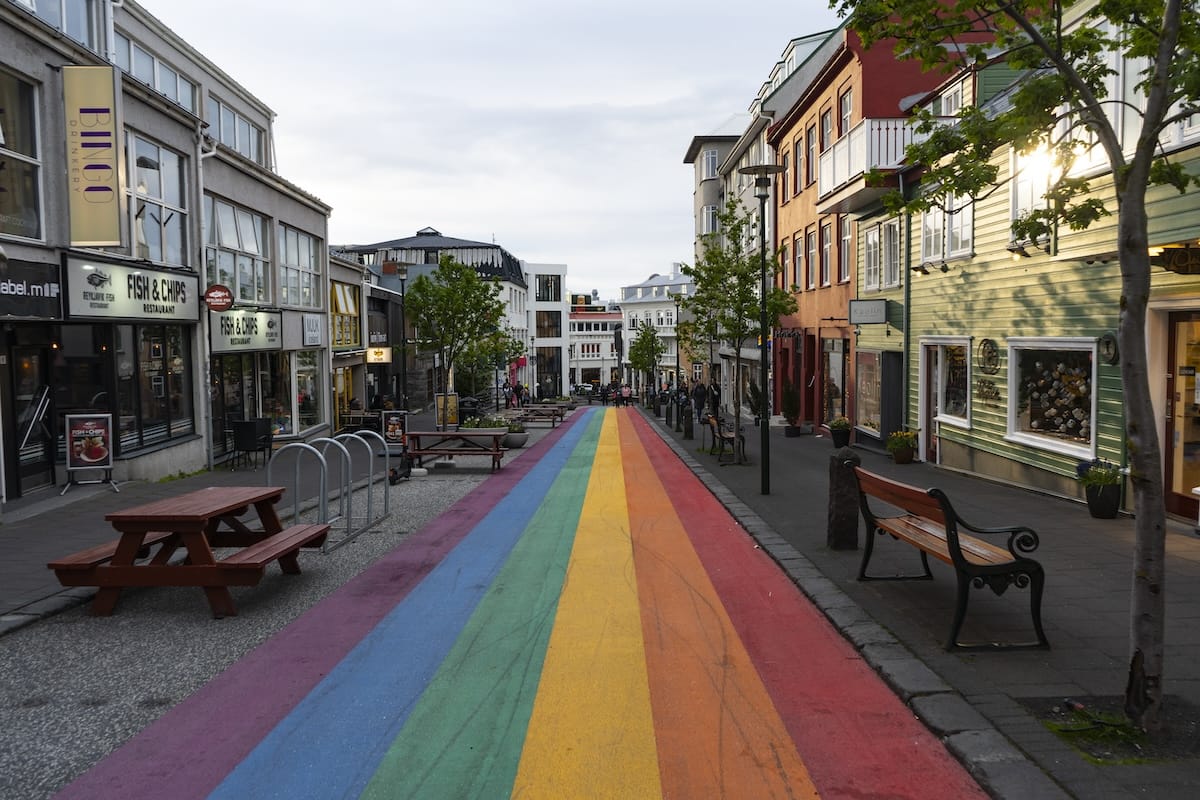
Walking down this vibrant street, you’ll find cozy cafes, souvenir shops, second-hand vintage shops, and excellent restaurants. Mama Reykjavík is a great restaurant that serves heartwarming vegan dishes from around the world!
No matter the time of the day you will likely find the street busy with people taking pictures of the famous road with the church in the background. I recommend visiting early in the morning if you want a picture with as few people in the background as possible!
5. Learn Icelandic history at The National Museum of Iceland
From the outside, the National Museum of Iceland looks like an unassuming building, but it’s a great place to learn about Iceland’s history and culture. Opened in 1863, this museum is home to various permanent and temporary exhibitions educating about Iceland’s rich traditions.

The most important exhibition is the Making of a Nation. You’ll journey through time, starting with the first settlements until you reach modern-day Iceland. There are more than 2,000 artifacts in this exhibition alone, and if that’s overwhelming, don’t worry — you can use an audio guide for free! This is by far one of my favorite exhibits as it shows how much history a small country can have!
The National Museum is located near the university. Tickets cost 2,500 ISK ($18), and it’s open all year.
Address: Suðurgata 41, 102 Reykjavík
Opening Hours: 10:00 – 17:00 every day
6. Peruse the exhibits of The National Gallery of Iceland
Originally founded in Copenhagen in 1884, The National Gallery of Iceland and its 14,000-piece art collection moved to its current location in Reykjavík in 1987. This gallery is home to Icelandic and international artwork and it aims to educate visitors about traditional Icelandic culture.
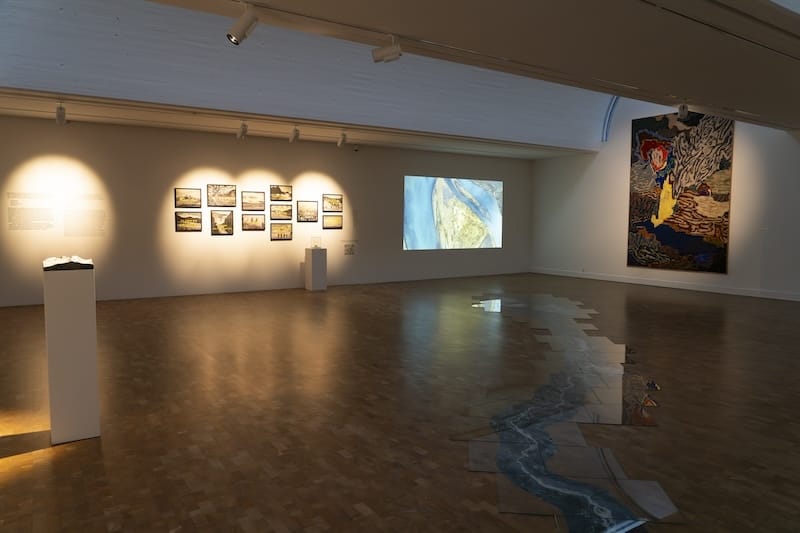
The Treasure of a Nation exhibition features work from artists like Ásgrímur Jónsson and Emanuel Larsen. Meanwhile, other exhibitions have a more international focus and feature works by Pablo Picasso, Karol Appel, and Edward Munch. I find that the gallery is the perfect place to lose yourself for a few hours on rainy days in Reykjavik.
Tickets to the gallery cost 2,200 ISK ($16) for adults and 1,100 ISK ($8) for children.
Address: Fríkirkjuvegur 7, 101 Reykjavík
Opening Hours: Tues – Sun (10:00 – 17:00)
7. Try local dishes at Old Iceland Restaurant
Old Iceland is a traditional Icelandic restaurant that aims to serve the very best dishes from Icelandic cuisine. Therefore, it is one of the best places you can grab a bite to eat if you want to experience local ingredients and flavors.
This restaurant was opened in 2014 by three brothers. Despite only opening nine years ago, it has quickly become one of the most popular restaurants in Reykjavík.
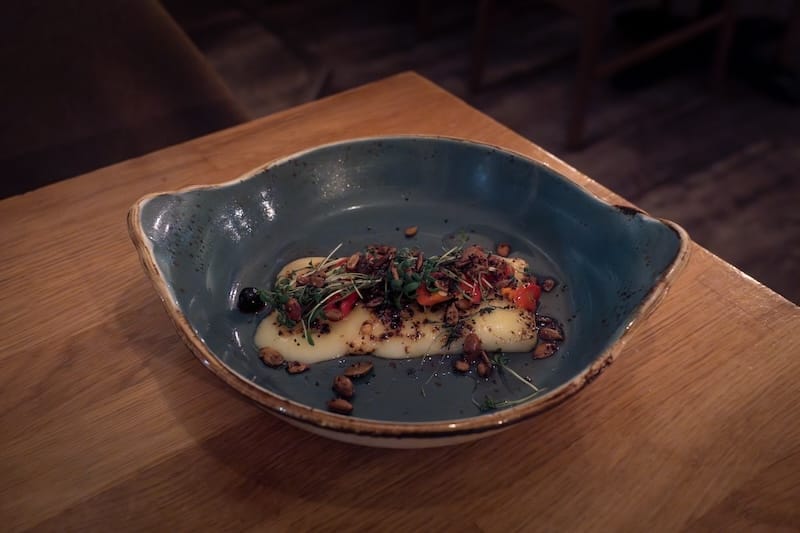
Dishes are made mostly from locally-sourced ingredients, including herbs picked directly from the surrounding mountains. I highly recommend getting at least a two-course meal, so you can try both a lamb dish and a fish course. This way you get to experience the best of what Iceland has to offer and two of its most famous proteins that make up the heart of the country’s cuisine.
Address: Laugavegur 72, 101 Reykjavík
Opening Hours: 11:30 – 15:30 and 17:00 – 22:00 every day
8. Have a chilled drink at Magic Ice Reykjavík bar
If you’re looking for a unique experience in Reykjavík, you need to visit the Magic Ice Reykjavík bar, where you’ll step into an enchanting sub-zero world.
The icy chill will hit you in the face as soon as you walk through the frozen gateway. Inside, you’ll find an entire bar and art gallery made out of ice. Even the glasses are made out of ice! While this is whimsical, it is sometimes less than practical, as the warmth from your mouth tends to melt the rim at a quicker rate!
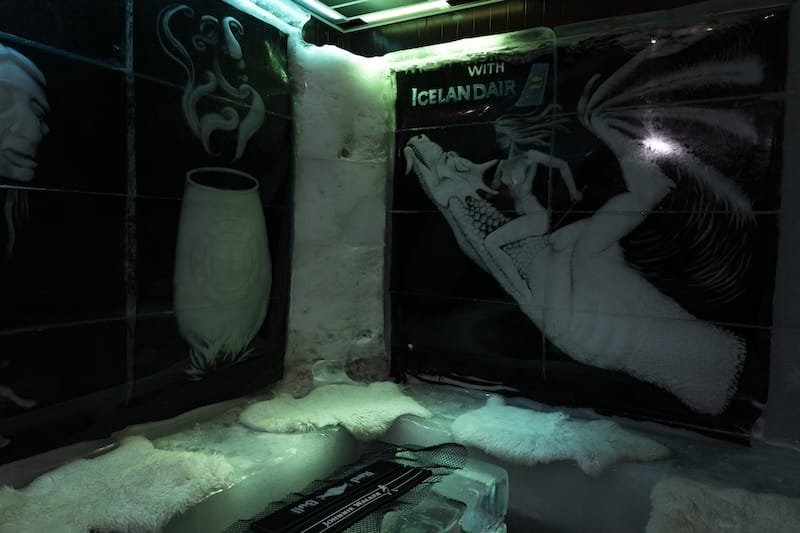
After grabbing a chilled drink at the bar, you can explore the gallery and admire the impressive ice sculptures. Admission tickets cost 4,500 ISK ($32), which includes a welcome drink, a warm poncho, and a pair of gloves.
During the peak seasons, it is best to book your visit to the Magic Ice Reykjavik in advance to avoid disappointment.
Address: Laugavegur 6 101, 101 Reykjavík
Opening Hours: Summer (Sun – Thu 12:00 – 23:00, Fri – Sat 12:00 – 00:00) Winter (Sun – Thu 14:00 – 22:00, Fri – Sat 14:00 – 23:00)
9. Marvel at the architecture of Harpa
Harpa is a large concert hall and conference center on the water’s edge. While most people visit here to take in a performance, you can also visit simply to admire the architecture.
The Harpa building is one of the more modern buildings in Reykjavík. It features a distinctive and marvelous glass facade inspired by Iceland’s basalt columns, a unique natural phenomenon that forms in certain places around the country.
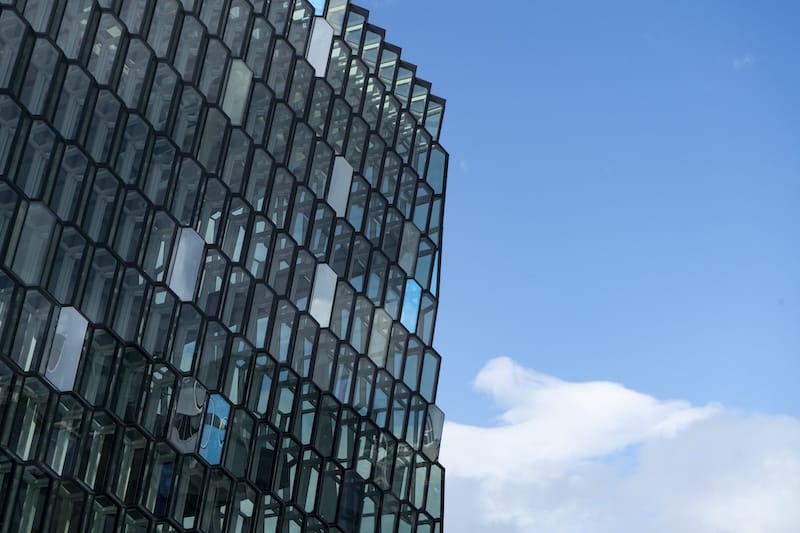
Interestingly, the structure was originally supposed to be a 400-room luxury hotel, so there is a certain air of elegance about it. The Harpa building comes to life at night with bright lights, so don’t miss out!
If you want to see more of the interior without buying a ticket to a concert, I recommend taking a guided tour of Harpa. On the tour, you will learn about the history, and architecture and also get to see the areas that are normally only accessible during performances. Tours cost 5,200 ISK ($38) and are typically conducted twice a day.
Address: Harpan, 101 Reykjavík
Opening Hours: Sun – Tue (10:00 – 18:00) Wed-Sat (10:00 – 20:00)
10. Experience science mixed with nature at Perlan
Perlan is Iceland’s iconic nature museum that sits inside the most amazing futuristic building that has a bit of a spaceship vibe to it! Offering a one-of-a-kind glacier experience and interactive shows, this museum is packed with interesting exhibitions… and with panoramic views of Reykjavik to make it even better!
There are many exhibitions to explore, but the best has to be the Ice Cave and Glaciers exhibition, which has the world’s first indoor ice cave. At 100 meters long and made from over 350 tons of snow, it is a really unique sight to behold.
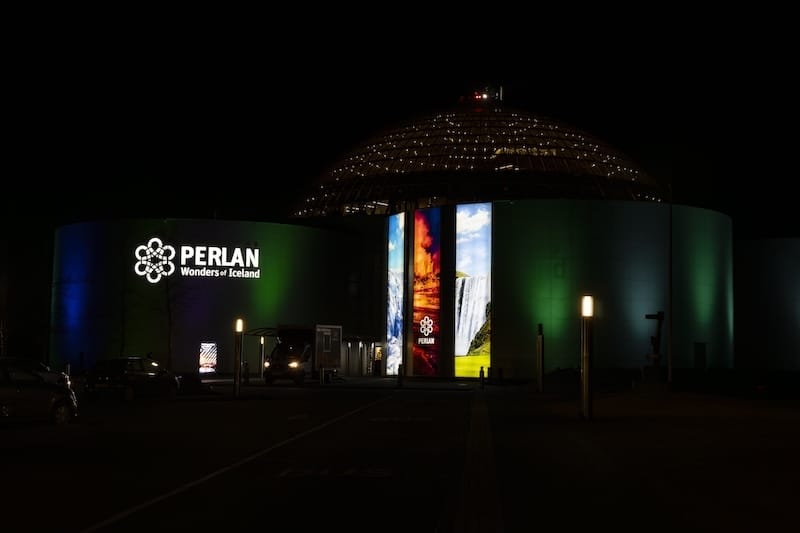
If you visit Perlan at night and there are clear skies, I highly recommend heading to the roof for a chance to see the aurora dancing over Reykjavik.
Through Perlan’s exhibitions, you can expect to learn all about climate change, Icelandic glaciers, the aurora borealis, volcanoes, and more!
Entrance tickets to Perlan can be purchased here.
Address: Perlan, 101 Reykjavík
Opening Hours: 9:00 – 22:00 every day
11. Discover Iceland’s Viking history
Iceland and its strong connections to the Vikings can be seen all over Reykjavík. There are museums with Viking exhibitions, historic sites important to Viking history, and unique experiences that tell the story of the Viking Age throughout the city.
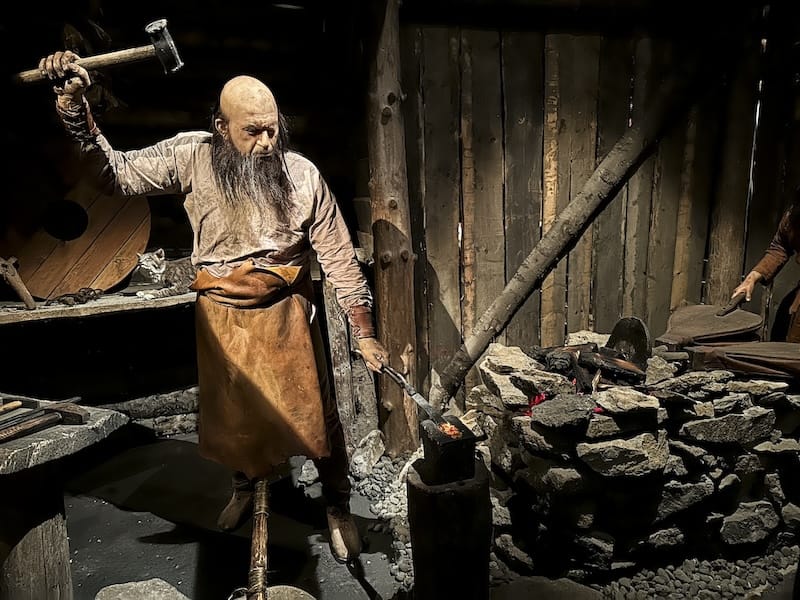
A few notable places to learn about the Vikings in Reykjavík include the National Museum, The Settlement Exhibition, and The Saga Museum. All three locations feature Viking artifacts, objects, tools, and unique exhibitions.
The Settlement Exhibition is my favorite as it displays real archaeological finds from the Viking Age. Found in downtown Reykjavík, the artifacts here turned out to be the earliest evidence of humans in the city.
12. Taste the iconic Icelandic hot dog
The Icelandic hot dog is surprisingly one of the most iconic dishes of Iceland! However, these hot dogs are like no other in the world. The hot dog is made from Icelandic lamb mixed with beef and pork for a truly unique taste.
Icelandic lamb is known to be some of the highest quality lamb in the world, thanks to its free-roaming lambs found all over the hills of Iceland. The addition of this lamb truly elevates the humble hot dog.
The hot dog is then served in a bun, topped with raw onions, crispy onions, ketchup, pylsusinnep (a type of brown mustard), and remoulade. Even if you think you like your hot dogs a particular way, I recommend trying it the Icelandic way first, as the toppings perfectly complement each other.
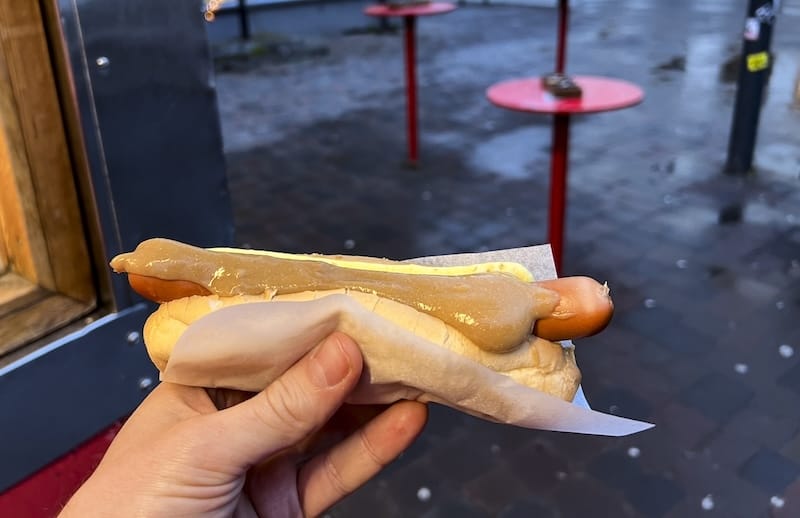
The Icelandic hot dog called is called Pylsur in Icelandic. It’s available all throughout the city and is a favorite amongst late-night revelers and budget travelers. The most famous spot to get them though is Bæjarins Beztu Pylsur.
Alternatively, you can join an awesome Reykjavik food walking tour, where you will certainly get to try the Icelandic hot dog along with seven other famous local foods.
13. Relax at Nauthólsvík Geothermal Beach
Swimming in the North Atlantic might sound like the stuff of nightmares, but at Nauthólsvík Geothermal Beach you don’t have to worry. A paradise for people who enjoy swimming in the ocean, Nauthólsvík Geothermal Beach is a man-made lagoon that provides a refreshing (but not freezing) swim.
Heated via a water pump, temperatures typically sit somewhere between 15°-19°C (59°-66°F) in the summer. Those of you who prefer to relax in warmer environments can enjoy the steam baths and hot tubs instead.
Entry is free in the summer and tickets cost 810 ISK ($6) the rest of the year. On-site facilities include showers and changing rooms.
Address: Nauthólsvík Geothermal Beach, 102 Reykjavík
Opening Hours: Mon – Fri (11:00 – 19:00) Sat (11:00 – 16:00) Sun (Closed)
14. See where the earth splits on a Silfra Fissure snorkeling trip
Silfra Fissure in Thingvellir National Park is the only place in the world where you can dive (or snorkel) between two continents. Found approximately an hour away from Reykjavík, Silfra Fissure is where the Eurasian and North American tectonic plates meet.
In 1789, an earthquake caused several fissures to open, but the Silfra Fissure was the only one that was filled with glacial water. Exploring the sub-aqua marine world will reveal impressive rock formations and some of the best water clarity on earth.
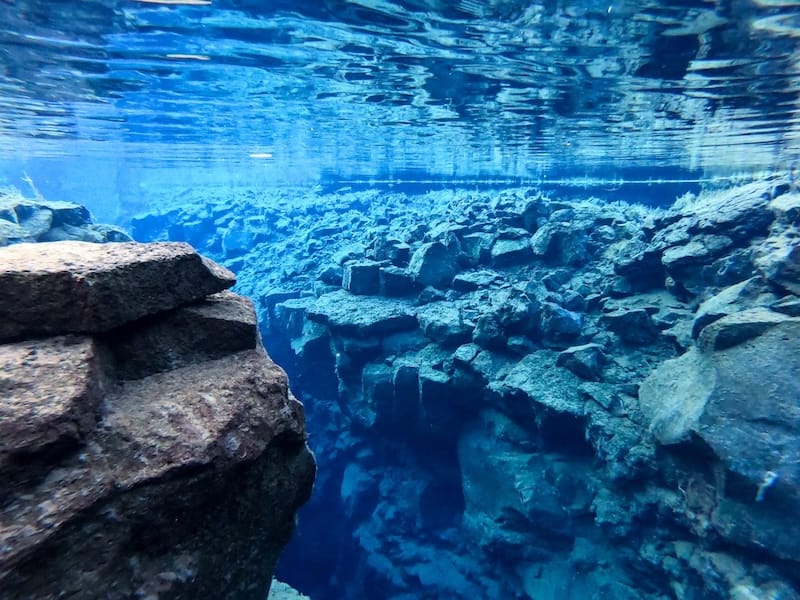
The only way to explore the fissure is on an organized tour. You will be provided with snorkeling equipment, which includes a drysuit that will keep you warm in the icy water, entrance to the park, and underwater photographs!
You can either opt to book a tour starting at the fissure, which is perfect for those exploring the area on their own, or with pick and drop off in Reykjavik included.
🤿 Click here to book a Silfra Fissure snorkelling tour!
15. Drive Iceland’s Golden Circle
The Golden Circle is a 300-kilometer (190-mile) route that passes three of Iceland’s most famous natural attractions. Those attractions are Thingvellir National Park, Gullfoss Waterfall, and the Geysir Geothermal Area.
You can do the entire route from Reykjavík in one day, with plenty of time to stop at each site along the way.
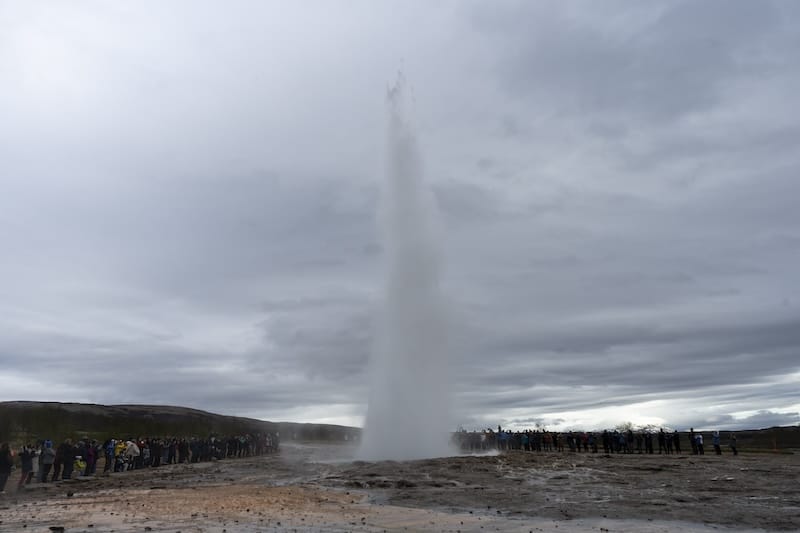
Driving the Golden Circle is a wonderful opportunity to see the very best of Iceland’s natural landscapes. For me, the highlight of the Golden Circle was Thingvellir National Park, though I wish I had spent a little more time to explore it!
If you don’t want to drive yourself, you can take a Golden Circle tour, where you will be driven to all the most impressive sites. The great thing about the tour is you do not have to pay for parking at each stop and you can relax and enjoy the views as you drive between each location without needing to worry about navigation.
16. Soak in the world famous Blue Lagoon
More than 700,000 people visit the Blue Lagoon in Iceland every year. 30 miles away from the capital, Blue Lagoon is a man-made geothermal mineral spa that has an otherworldly appearance.
The healing azure-colored naturally heated waters and the steam that rises from it will warm your body as you look out over the Icelandic landscape. There is also a fine-dining restaurant and a retreat spa on-site!
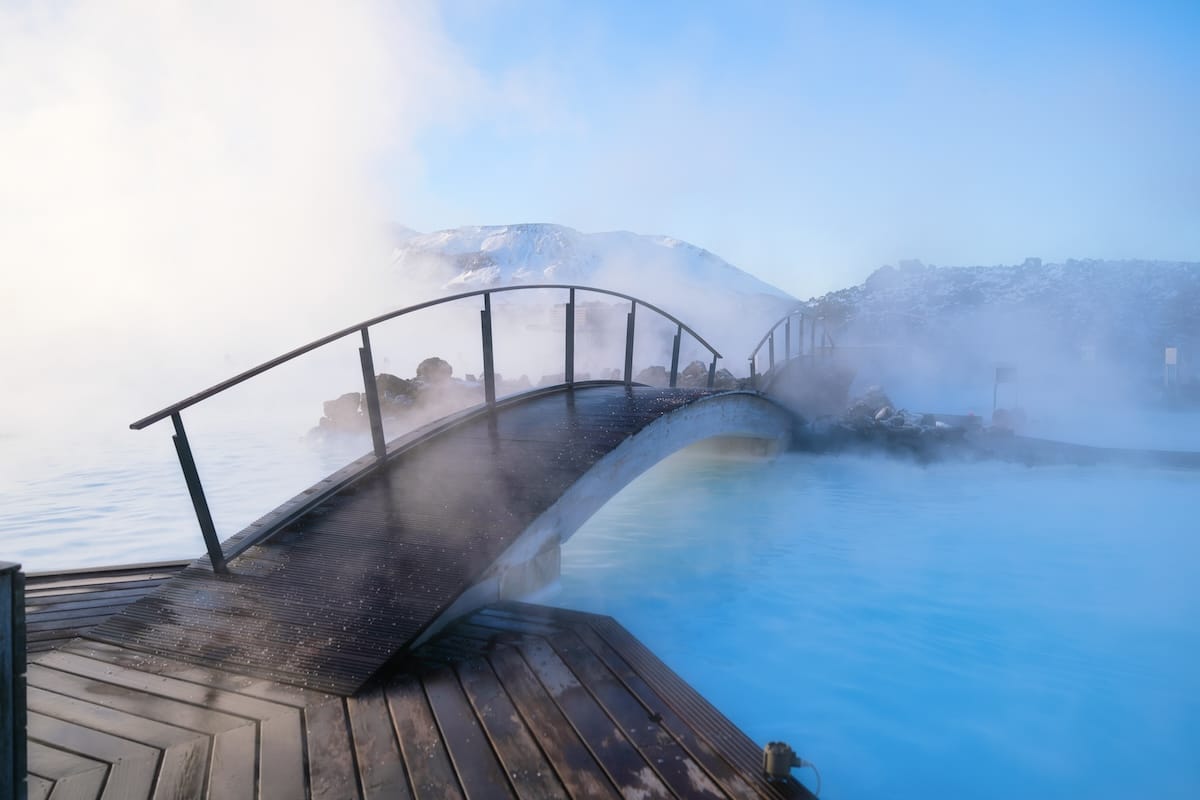
You can even stay overnight and potentially spot the Northern lights from your accommodations if you’re lucky and visit during the aurora months.
Tickets to the Blue Lagoon cost 8,990 ISK ($65). If you are visiting Iceland without a car it is worth booking tickets and a transfer to the Blue Lagoon, as it is located a 50 minute drive away from Reykjavik.
Address: Norðurljósavegur 9, 240 Grindavík
Opening Hours: Jan – May (8:00 – 21:00), Jun – Aug (7:00 – 00:00), Aug – Jan (8:00 – 22:00)
17. Explore Iceland on horseback
Icelandic horses are one of the purest horse breeds in Europe. They have carried people across the country’s rugged terrain for generations. While synonymous with Iceland, these horses originally were bought from Norway!
Their small size and calm disposition make them perfect riding companions, especially for those who have never been horse riding before!
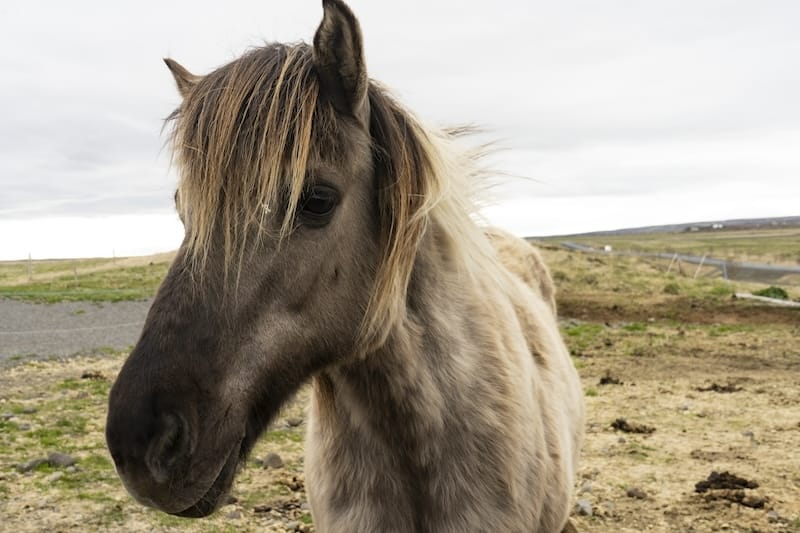
In order to go horse riding, you will need to book a tour. On the tour, you will be introduced to the most adorable horses before heading out on a ride through Iceland’s natural volcanic terrain.
You’ll ride with experienced guides for 5-7 km (3-4 mi) along a stunning natural trail. Less experienced riders will explore the Redhills, while more experienced riders can explore Rauðarvat.
18. Head out to sea for whale watching
Iceland is a prime location for whale watching with more than 23 species of whales able to be seen off the coast. Among these species include the humpback, minke, and orca whales!
There is a strong chance of spotting whales in Iceland because they can be seen all year round. However, to see them you will need to head out to sea with a tour. There are two types of whale watching tours you can take: a RIB whale watching safari or a cruise on a yacht.
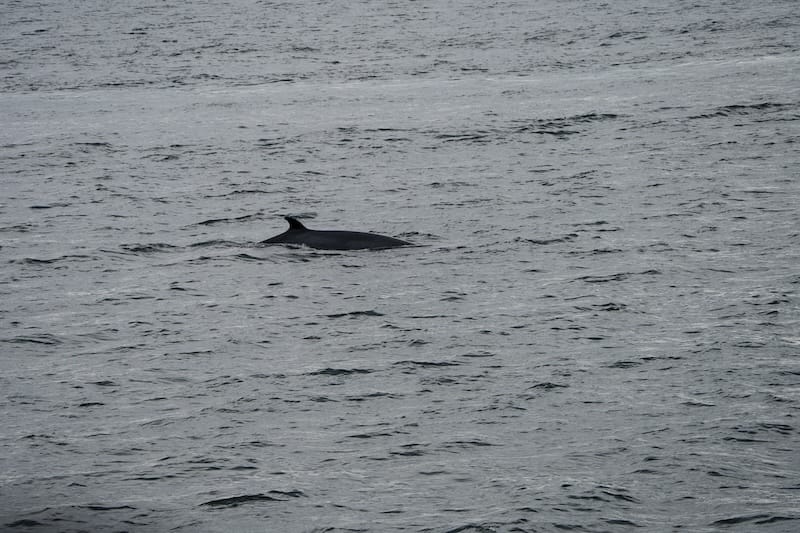
While both have their positive points, I opted to go on the tour with the larger vessel as it would be easier to photograph. On my tour we were fortunate enough to see a minke whale right by the harbor, followed by plenty of puffins. Unfortunately, we did not see any whales further out but there was a pod of dolphins who were playing close to our boat.
I recommend checking out the Whales of Iceland Museum after your tour, where you can learn more about the different species of whales in the Atlantic.
19. Drink coffee at KAFFI Ó-LE
If you need your daily coffee fix, a quick bite to eat, or a hearty bowl of soup, KAFFI Ó-LE has you covered. Found on Hafnarstraeti Street, KAFFI Ó-LE is a charming coffee shop that specializes in delicious specialty coffee, sandwiches, traditional Icelandic dishes, and pastries.
Food in the cafe is sourced locally and coffee beans from around the world are used to make the coffee!

The Costa Rican espresso and cortado are firm favorites, and they go down a treat when ordered with a piping hot pain au chocolat.
Address: Hafnarstraeti 11, 101 Reykjavík
Opening Hours: Mon – Fri (8:00 – 15:00), Sat-Sun (9:00 – 15:00)
20. Explore the Reykjavik beer scene At RVK Brewing Company
Iceland has a strange and fascinating relationship with alcohol. In the early 20th century, the country implemented prohibition.
However the total ban was short-lived, and by the 1930s most restrictions had been lifted… apart from the ban on beer above 2.25% ABV. In March 1989, restrictions on beer were lifted and the Icelandic beer scene subsequently exploded.
Bars and pubs across the city now serve a wide range of craft beers. However, if you are wanting to get close to the source I recommend visiting RVK Brewing Company!
You can enjoy one of the local brews in the brewery’s taproom or take a tour of the new brewery. The tap room has 10 taps that offer a rotating selection of beers from their core range as well as seasonal specialities. I recommend trying their Co & Co imperial stout if it is available, which is brewed using cinnamon rolls from Brauð & Co’s. This beer packs a punch coming in at 10.1% ABV, so it is not for the faint of heart!
Brewery tours cost 3,900 ISK ($28) but you’re given an RVK-branded glass which makes a great souvenir.
Address: Skipholt 31, 105 Reykjavík
Opening Hours: Wed – Thu (16:00 – 22:00) Fri – Sat (16:00 – 23:00)
21. Check Out Reykjavik’s Awesome Street Art
It might come as a surprise, but Reykjavík is home to a thriving street art scene. From rooftop tags and urban graffiti to extravagant murals, Iceland has it all, so make sure you spend some time finding the best.
The street art scene across Reykjavík truly kicked off in 2015 when Urban Nation and Icelandic Airwaves Festival developed the Wall Poetry mural project.
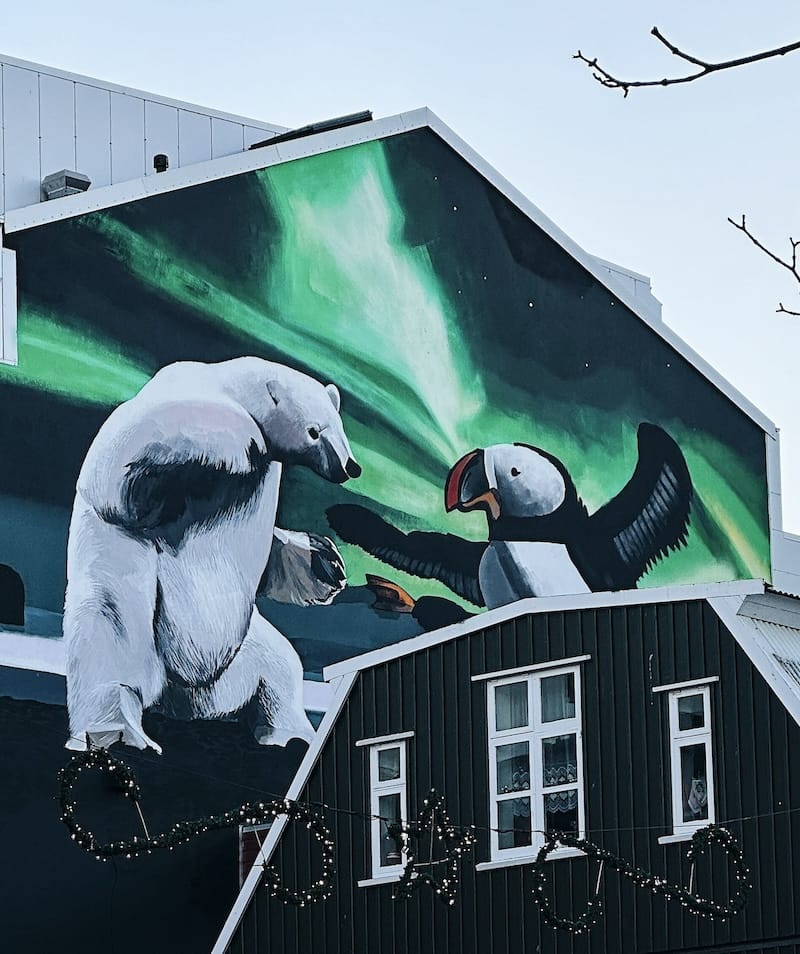
You can find impressive works of art at the Reykjavík docks, Hverfisgata, Laugavegur, and other places across the city. Some of my favorite pieces include Ode to Mother, Vampire, Horses in the Night, and the giant mural that looks like a polar bear fighting a puffin (naturally!).
22. Visit Videy Island
Iceland is jam-packed with lush natural scenery and rugged terrain, but some of the very best unspoiled natural landscapes are found on a large island just off the northern coast of Reykjavík.
The largest island in Kollafjörður Bay, Videy is most famous for its natural beauty, unique artwork, and wildlife. Boats to the island leave from Skarfabakki Pier at Sundahöfn Harbor throughout the year, and the journey takes approximately 20 minutes.
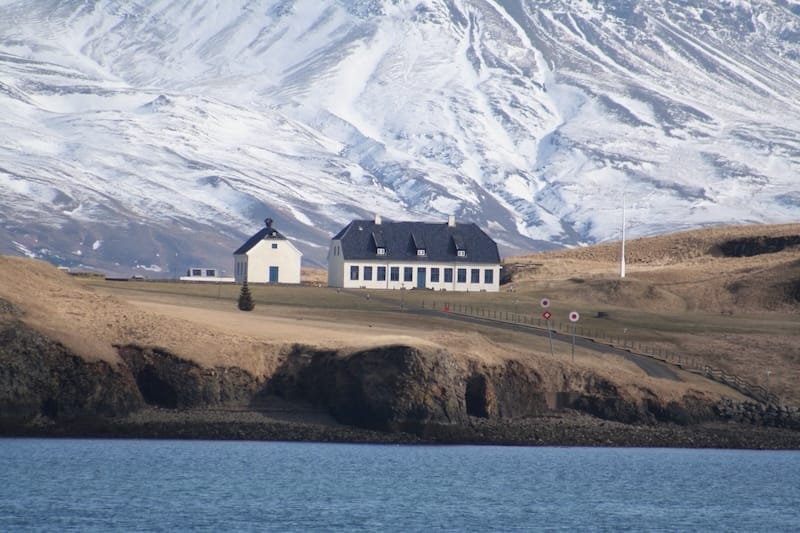
When you get to the island, keep your eyes peeled for the Imagine Peace Tower, The Milestones sculpture, and most importantly, puffins. Thanks to the extensive network of trails, you can easily explore the island on foot or by bike.
23. Photograph Grótta Island Lighthouse
One of the most popular photography spots in the city is Grótta Island Lighthouse. Located at the tip of the Seltjarnarnes Peninsula, the Grótta Island Lighthouse is a picturesque structure that features the North Atlantic as a backdrop.
The lighthouse is rarely open, but you can still take some great shots. This is a seasonal activity because the islet is shut in June for nesting birds. The lighthouse isn’t reachable during high tide either, so check the latest tide reports in advance.
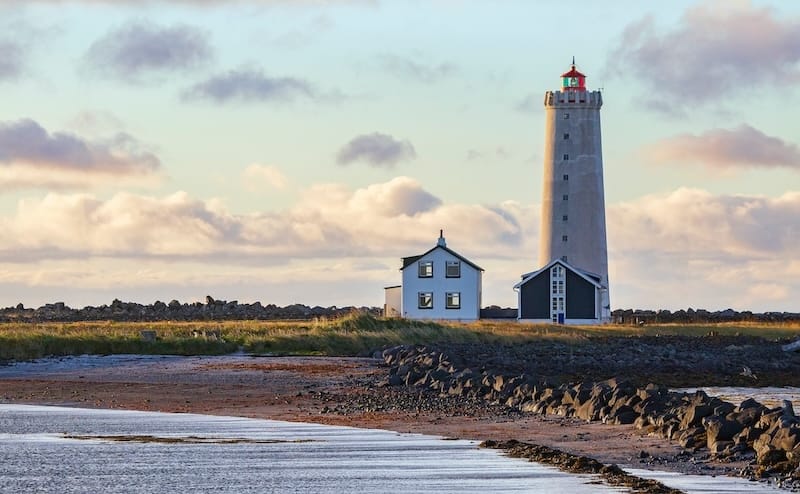
If you time your visit right, you’ll be able to admire the sunrise or sunset at the lighthouse and maybe even spot the aurora borealis here if you wait until it gets dark.
24. Test your tastebuds with hákarl (fermented shark)
During your time in Reykjavík, you might want to try hákarl, Iceland’s somewhat maligned national dish. Hákarl is fermented Greenlandic shark and is instantly recognizable by the fact that it strongly smells of ammonia.
Greenlandic sharks are actually poisonous, and it takes four to five months of fermentation to rid them of toxins and make them edible. Traditionally, this delicacy was consumed during Þorrablót, a winter festival, but today it is available throughout the year and in most restaurants and shops.
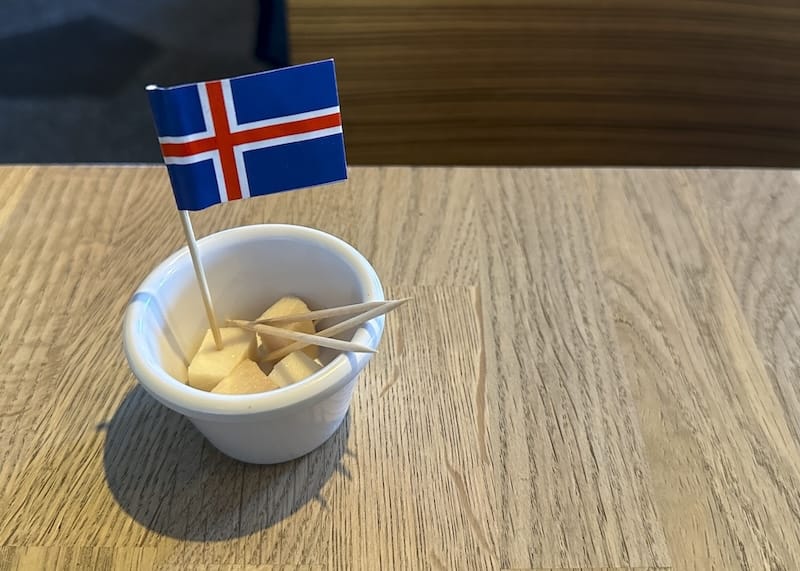
In Reykjavík, you can find hákarl in Kaffi Loki, where it is served in multiple dishes with ingredients such as rye bread, flatbread, and butter. It is also generally served with a shot of brennivín, an Icelandic spirit similar to aquavit, that helps wash it down.
Address: Lokastígur 28, 101 Reykjavík
Opening Hours: 8:00 – 22:00 every day
25. Find a bargain at Kolaportið
When it comes to finding unique things to take home, you simply have to visit Kolaportið. Kolaportið is the only flea market in Iceland. It takes place every weekend in a large building near the harbor.
The flea market offers a great insight into some of the traditional things Icelanders produce, buy, and sell.
You’ll easily get lost amongst the narrow row of stalls, so allow an hour or two to explore. The market has everything from hand-woven jumpers and vintage record stalls to fermented shark and candy stalls. It is one of the best places to pick up an authentic Icelandic wool sweater, with second hand options providing an affordable alternative to buying a brand new one.
Address: Tryggvagötu 19 , Old Harbour Grófin Reykjavík Kvosin, 101 Reykjavík
Opening Hours: Sat-Sun (11:00 – 17:00)
26. Take an epic tour of Iceland’s Southern Coast
One of the best day trips from Reykjavik is Iceland’s world-famous South Coast. This epic drive takes you to some of the most incredible natural sights on the island, including Reynisfjara Beach and Seljalandsfoss.
There are two ways to travel the South Coast, on a dedicated tour or on your own with a rental car. Opting to travel the South Coast with a car gives you far more freedom and lets you take the route at your own pace.
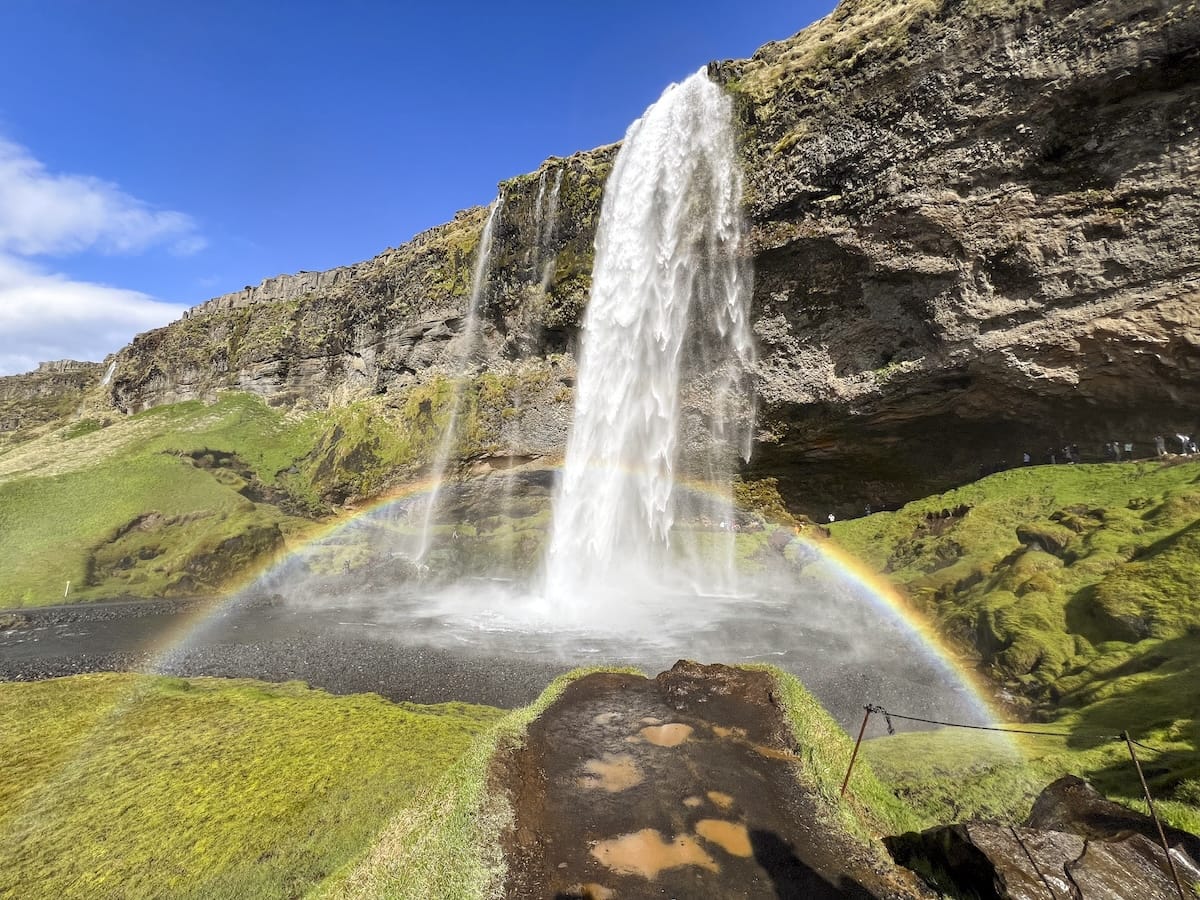
However, on my first visit to Reykjavik, I opted to do the South Coast as part of a small group tour. The tour was fantastic and getting local insights from our guide really added to the experience.
While tours run on a set list of places to visit, often guides will add in additional little hidden spots along the way. For example, we made an additional stop at a barn that was built into the rock face of an inland cliff, which is something I wouldn’t have found myself.
27. Try Icelandic spirits at Eimverk Distillery
If beer isn’t your thing, indulge in Icelandic spirits at Eimverk Distillery. Founded in 2009, this family-run distillery is the first and only whisky distillery in Iceland.
The distillery makes amazing whiskeys and also dabbles in the gin business, so there’s plenty to try. Spirits are made from 100% local ingredients and the barley is harvested from Icelandic soil that’s been combined with Icelandic spring water.
The Eimverk Distillery tour will allow you to explore the distillery and sample a variety of the best spirits. You’ll learn about the distillation process and try the famous Flóki Whisky.
Address: Lyngás 13, 210 Garðabær
28. Hike and ice climb on a glacier
Iceland’s glaciers make up nearly 11% of the country’s total land, so it would be rude not to visit at least one. There are 269 named glaciers, providing adventurers with a huge playground to explore and admire some of the best views in Europe.
The best way to hike or climb on a glacier near Reykjavík is to book a tour, as going on a glacier unsupervised is incredibly dangerous. After departing Reykjavik you will drive along the South Coast, taking in some of the natural sites along the way before reaching the starting point of your tour.
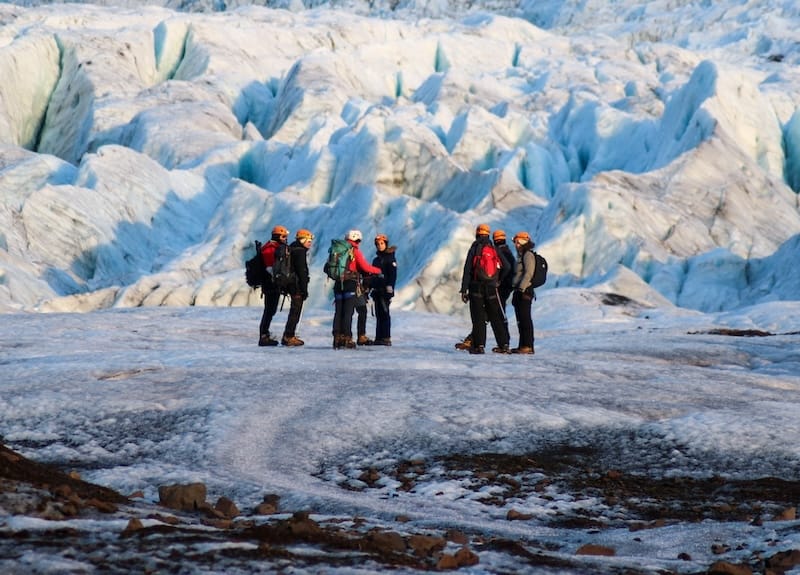
After a safety briefing, you will head out on to the glacier where you will spend around three hours hiking and climbing the huge sheet of ice. The tour is the perfect mixture of adrenaline-inducing fun and breathtaking scenery.
29. Join locals in enjoying the Icelandic nightlife
Iceland is well known for its high alcohol prices, with a large beer setting you back an average of 1600 ISK ($11). While these prices might be high, it does not stop locals and tourists from enjoying the country’s vibrant nightlife scene.
Admittedly, drinking in Iceland can be a little disorientating due to the daylight situation, with long nights in winter and summer feeling like you are day drinking at 11 pm!
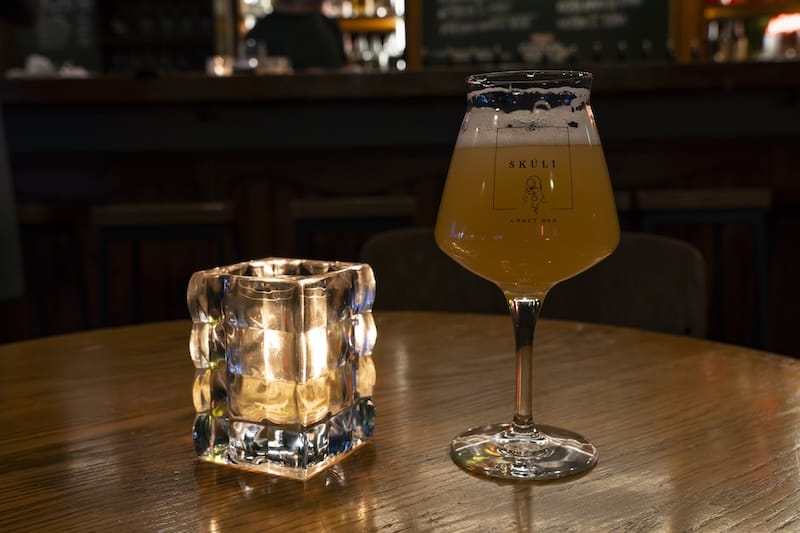
In the city center, there are plenty of bars to start the night off at, some of which have happy hour offerings which makes it slightly more affordable to drink. As the night continues, you can remain in the bars or opt to go to a club where you will find different venues that suit all sorts of music styles.
If you’re looking for more traditional night clubs, I suggest checking out Auto or Paloma. Meanwhile, The Irishman Pub is a more laid-back evening with live music. If cocktails are more your scene, I recommend heading to Kokteilbarinn, where you will find excellent craft cocktails.
30. Eat all the cinnamon buns at Brauð & Co’s
Brauð & Co’s is a popular bakery that opened in 2016. Since then, the company has experienced enormous growth, now running eight different physical locations across Iceland.
The second you step foot in Brauð & Co’s, you’ll understand why it’s so popular with the locals. The bakery prides itself on offering super fresh bread, pastries, cakes, and pizzas made from specially selected organically grown ingredients.
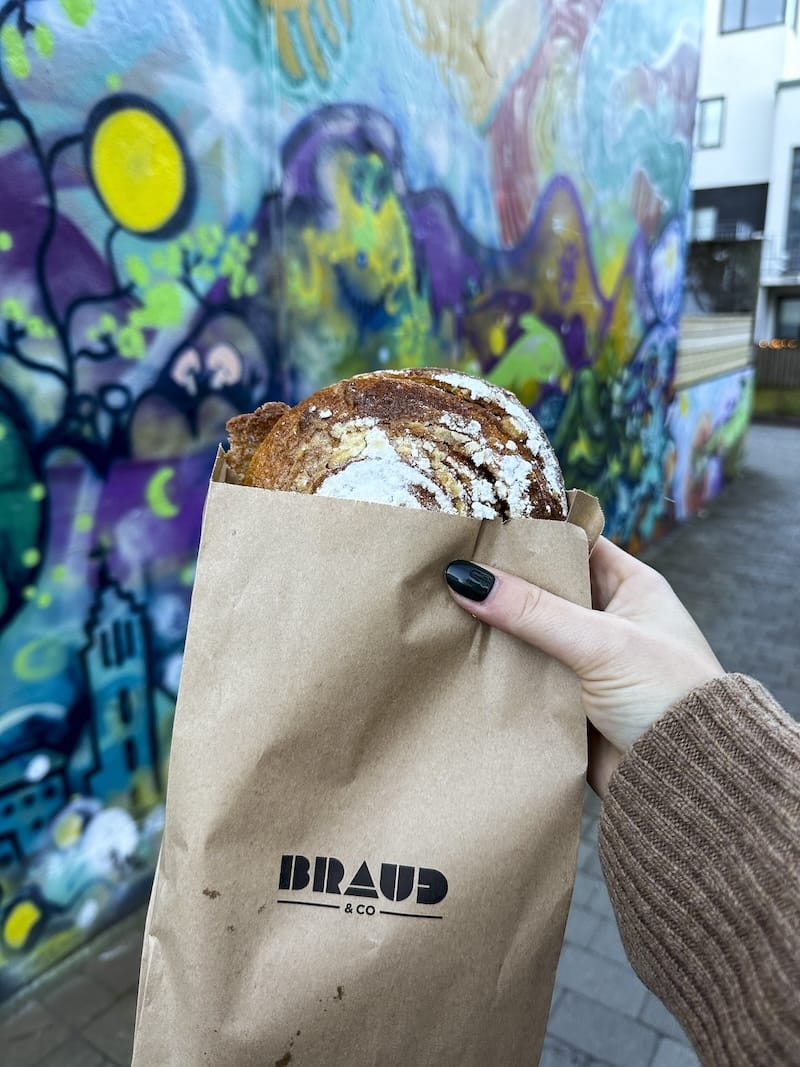
One thing you don’t want to miss out on is their awesome homemade cinnamon buns. Be sure to watch the bakers knead the fresh dough as you enjoy at least one cinnamon bun… maybe even two or three!
Address: 16 Frakkastígur, 101 Reykjavík
Opening Hours: 6:30 – 17:00 every day
31. Relax at Sky Lagoon
Another great place to kick back and relax in Reykjavík is Sky Lagoon. Sky Lagoon is a geothermal spa located at Kársnes Harbor that only opened in 2021.
The turf walls, plunge pool, and cave tunnel are inspired by Icelandic nature and culture. You’ll leave the spa with a refreshed mind and body, while also feeling slightly mesmerized by how relaxed you are.
The infinity pool is heated by natural hot water from deep underground. Temperatures range between 38°-40°C (100°-104°F). As you relax in the hot springs, look out over the sea to the Keilir mountain and the glacier-capped volcano (Snæfellsjökul).
Tickets to the lagoon cost 6,790 ISK ($49).
Address: Vesturvör 44-48, 200 Kópavogur
Opening Hours: 10:00 – 23:00 every day
32. Go to The Icelandic Phallological Museum
One of the more weird and wonderful (mainly weird) attractions in Reykjavík is the Phallological Museum. You might be able to tell what it displays from its name.
The Phallological Museum claims to be the only genuine penis museum in the world. It is dedicated to studying, collecting, and presenting all things phallic. The cafe even serves penis-shaped waffles.
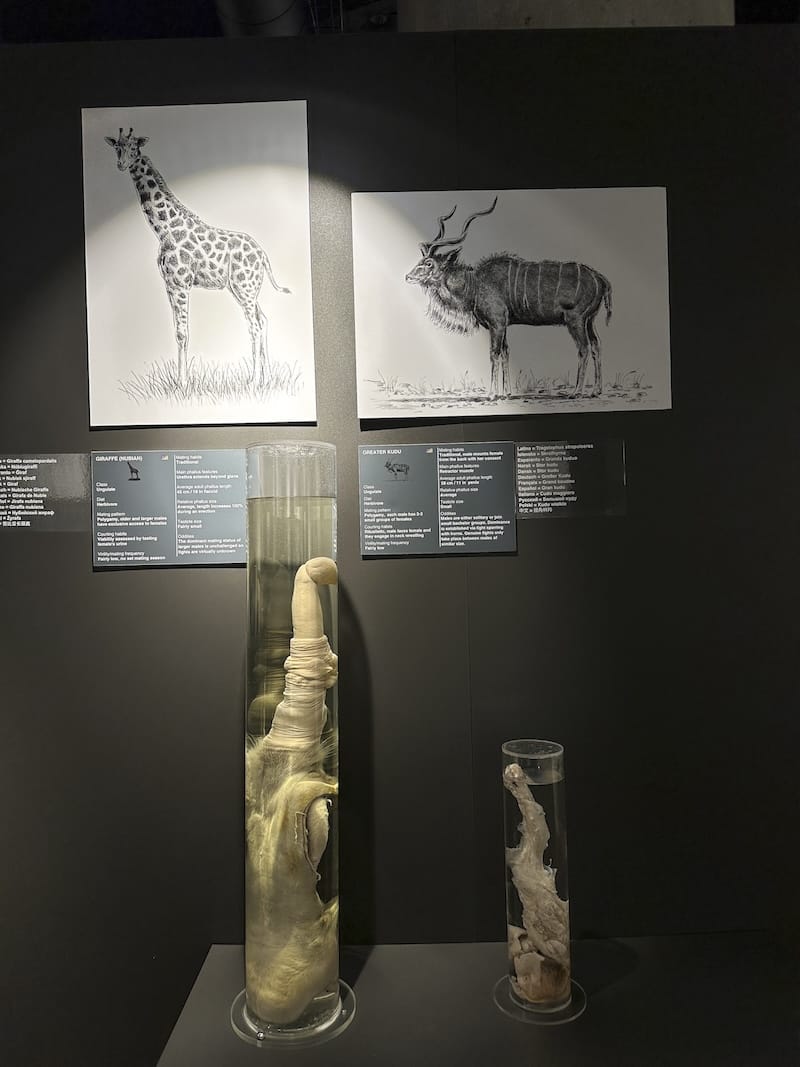
There is also a gift shop for those wanting to take a souvenir home from this unusual museum.
Through various exhibitions and the world’s largest collection of biological phalluses, you can learn all about the field of phallology. There are specimens from well over 200 different species.
Address: Hafnartorg, Kalkofnsvegur 2, 101 Reykjavík
Opening Hours: 10:00 – 19:00 every day.
33. Devour bowls of kjötsúpa
No trip to Iceland is complete without consuming at least one bowl of kjötsúpa. Kjötsúpa is a traditional Icelandic soup, made with lamb, root vegetables, and a simple yet flavorful broth. This soup is a perfect dish to consume in winter when you are looking to warm your soul, although it is consumed year-round!
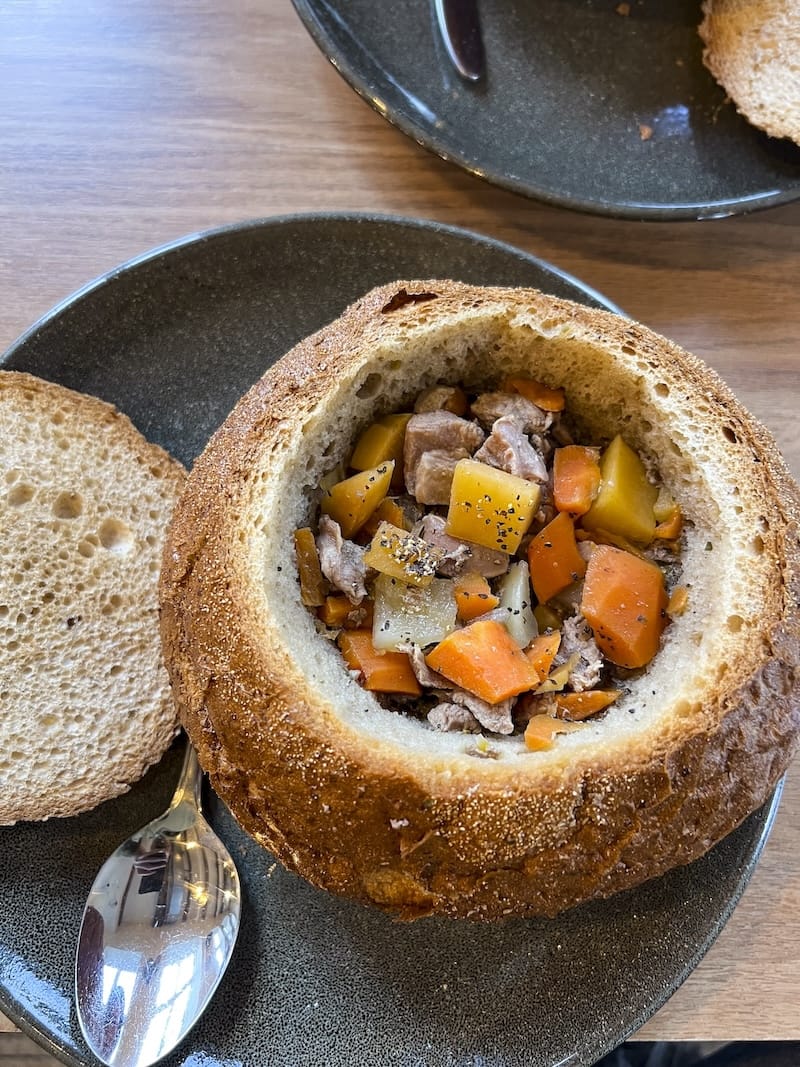
Kjötsúpa is so popular you will find it at nearly every restaurant in Reykjavik and also in gas stations (perfect for meals on road trips).
One of my favorite places to eat Kjötsúpa is Icelandic Street Food in the center of Reykjavik. They sell Kjötsúpa (along with various other soups) either in a bread bowl or a regular bowl and on certain soups there are free refills!
I opted for the bread bowl. While novel, I admit it was a slight mistake, as by my second serving of soup the bowl had completely disintegrated.
Address: Lækjargata 8, 101 Reykjavík
Opening Hours: 11:00 – 22:00 every day
Frequently Asked Questions
What is the best time to visit Reykjavik?
The beauty of visiting Reykjavik is that there is no bad time to go. Each season presents an array of opportunities for adventure. For those wishing to see the Northern lights, you will need to visit between September and April, when the skies are dark enough to see the aurora.
Alternatively, June through August is the perfect season for exploring the nature around Reykjavik with long days and nicer weather. May is typically the low season, where there are fewer tourists but the weather is slightly less predictable.
How cold is Reykjavik?
Iceland is not as cold as you might think it is. Winter temperatures in Reykjavik average around 2°C (36°F), thanks to the warming effects of the Gulf Stream. While Reykjavik might not freeze over, spots inland do start to freeze, especially around the waterfalls and glaciers.
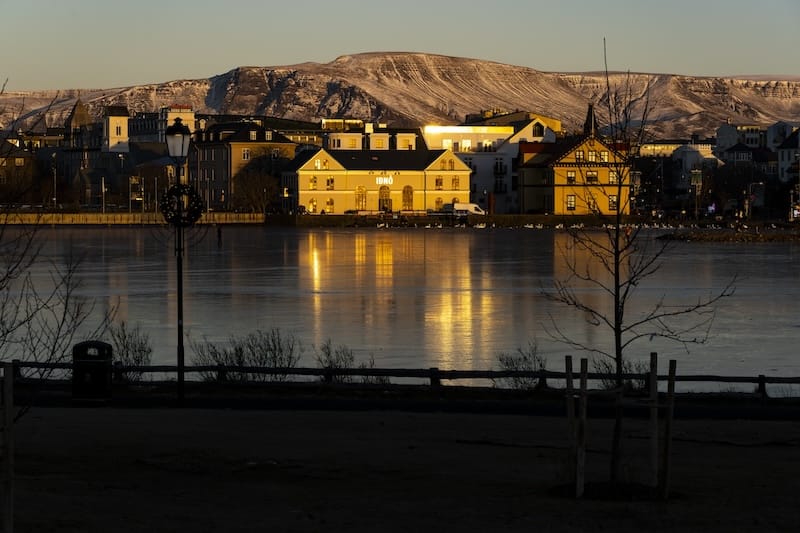
Despite winter temperatures being surprisingly temperate, the climate in summer is cool with temperatures hovering around the 12°C (54°F) mark.
Daylight hours in Reykjavik
Reykjavik is below the Arctic Circle and therefore does not experience polar nights or true midnight sun. During the peak of winter, you can expect 4-5 hours of sunlight each day, although this rapidly increases as you get closer to spring.
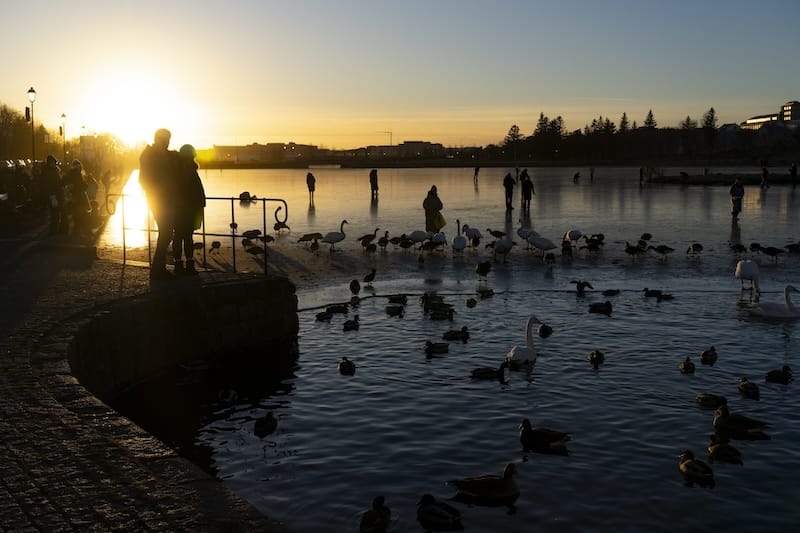
In summer, the sun shines all day and well into the normal nighttime hours. While the sun does technically set during summer it will not start to get dark at night until late July into early August. During this period you will not be able to see the Northern lights at all.
Do I need a car?
There are essentially two ways to explore the areas surrounding Reykjavik, by car or on a tour. Tours in Iceland are often done on large buses with upwards of 50 people on each bus. If you are looking for freedom to explore at your own pace or have no desire to be on a large bus for hours on end, I recommend renting a car.
The downside of using a car is that many of the tourist spots along the way require you to pay for parking, so you will need to factor those costs into your budget. I always rent cars through Discover Cars; their site is easy to use and they offer full coverage insurance. Note that it is important to book your rental early, as during the peak seasons it can become more challenging to book a car.
Best Reykjavik Hotels
While Reykjavik might be a small city, it has plenty of accommodation options. While there are options to suit different budgets, Iceland is an expensive country, so even the budget options can seem expensive!
The Reykjavik EDITION (Luxury): Located in the city center, this hotel offers 5* rooms and amenities. Each room is stylishly designed while incorporating maximum comfort. There is a bar on-site to enjoy a drink after a long day of exploring.
Center Hotels Plaza (Mid-range): Centrally located, this hotel is perfect for exploring the city during the day and then sampling the city’s nightlife. Each room is comfortable and has everything to cover your basic needs. I recommend including breakfast when booking your room because it’s delicious!
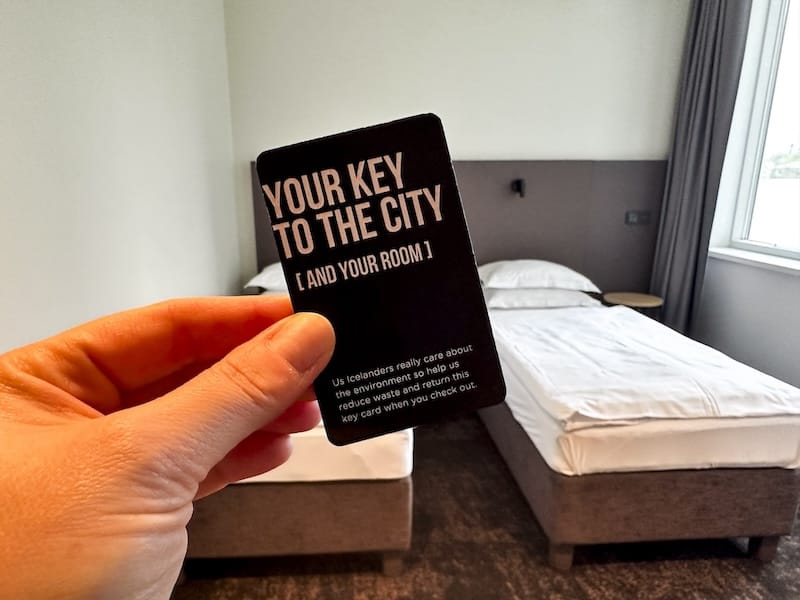
Kex Hostel (Budget) – If you are traveling to Reykjavik on a budget, this stylish hostel is the perfect place to stay. There is a mixture of private rooms that come with either a private or shared bathroom. For extra savings, you can opt to stay in one of the dorm rooms. There is a communal kitchen in the hostel where you can cook meals throughout the day, another good way to save on money during your trip.
I hope you enjoyed my post about the the best things to do in Reykjavik for first time visitors! If you feel I have left something out or have a question, please leave a comment below!