
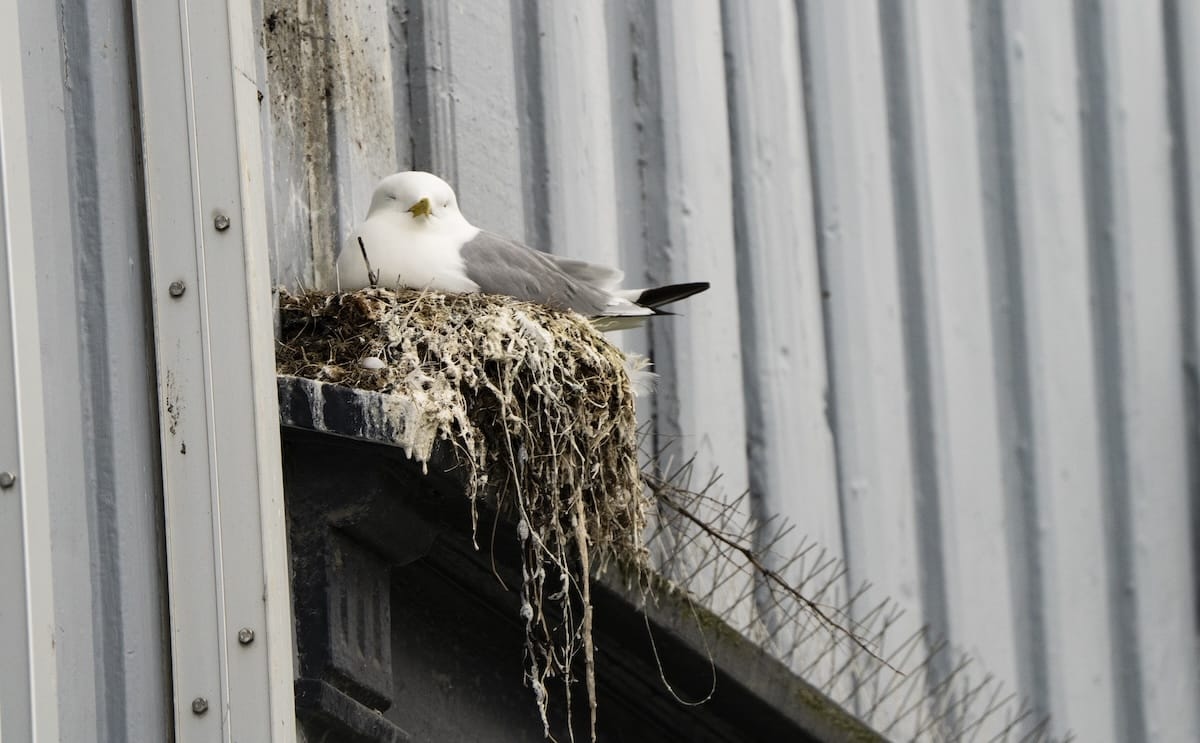
If you have visited Tromsø in recent years, you will have seen a growing number of seabirds making their nests on the edges of buildings throughout the city. You will have most likely mistaken them for being regular seagulls you see everywhere.
However, while part of the gull family, these are black-legged kittiwakes, and they are facing an uncertain future as numbers continue to decline sharply across Norway.
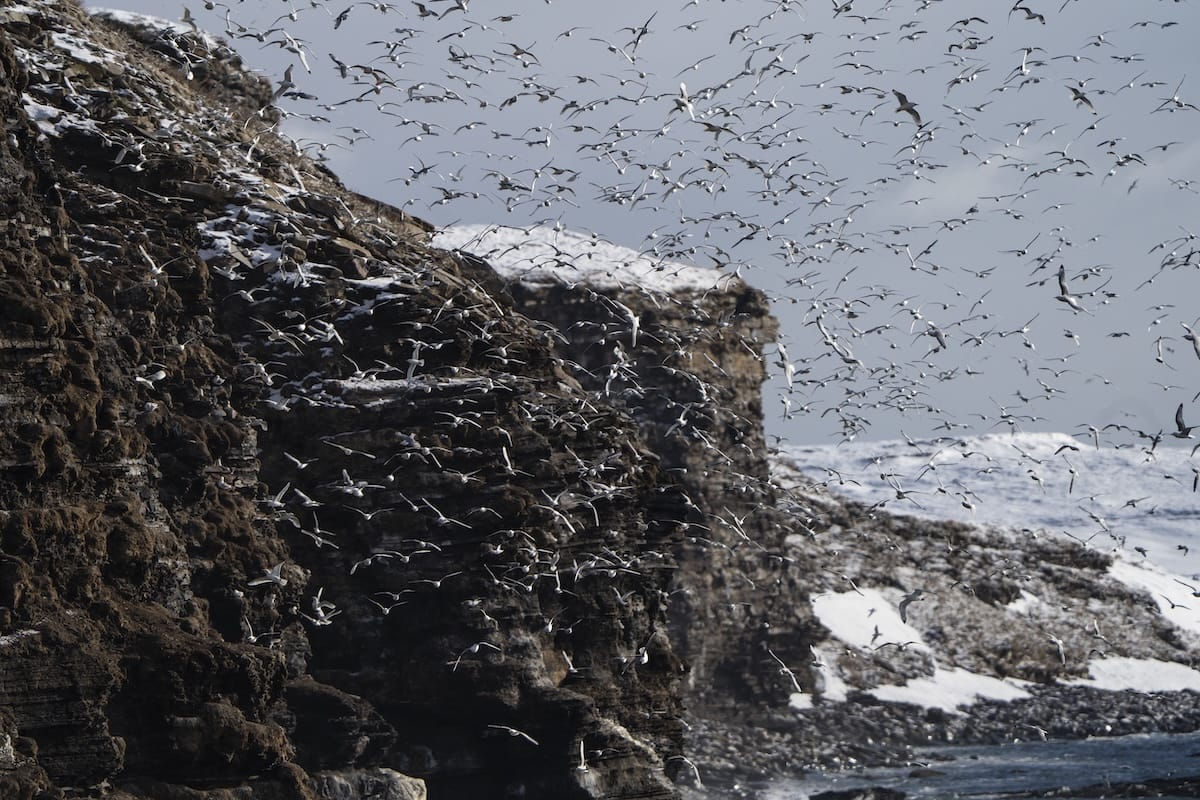
An Ode to Kittiwakes
The noisy birds, full of character, have been struggling as they compete with humans and climate change impacts their lives. Normally, these birds would choose to nest on cliffs far away from humans, but as the climate changes and humans encroach ever more on their habitat, they have moved into our cities. This brings plenty of noise, a lot of bird poo, and nests on many of the buildings.
While the birds can be attributed with these slight misdemeanors, they are also tarnished by the reputation of other gulls, with people believing they will steal food and attack humans.

This belief, coupled with the traits they do have, has created conflict. Businesses around Tromsø and other cities along the coastal edge of the Arctic are using new and well-established ways to deter the birds, all of which are unbelievably cruel and sadistic in their own way.
Outwardly, these businesses will talk about sustainability and protecting the environment, while at the same time saying “not in my backyard” to these misunderstood birds. Instead, they destroy nests, allow kittiwakes to get impaled on spikes, and try to create electric force fields that keep the birds off their precious roofs.
Why We Should Care About Kittiwakes
Many will ask, “Why should I care?” It is just a bird and a noisy one at that.
This is a problem of our own making. We as a society have made the natural world a challenge, a place where nature struggles to find a home. It is up to us to find a way to coexist with these animals that just want a home where they can safely rear their chicks each year.
I fell in love with these birds by watching them, and I implore you to do the same. Their sense of home is so evident, they nest in exactly the same spot each year. The nest may be gone, but they know the spot to the inch. Instinct brings them home every year to the place they feel safe. A feeling we all understand.
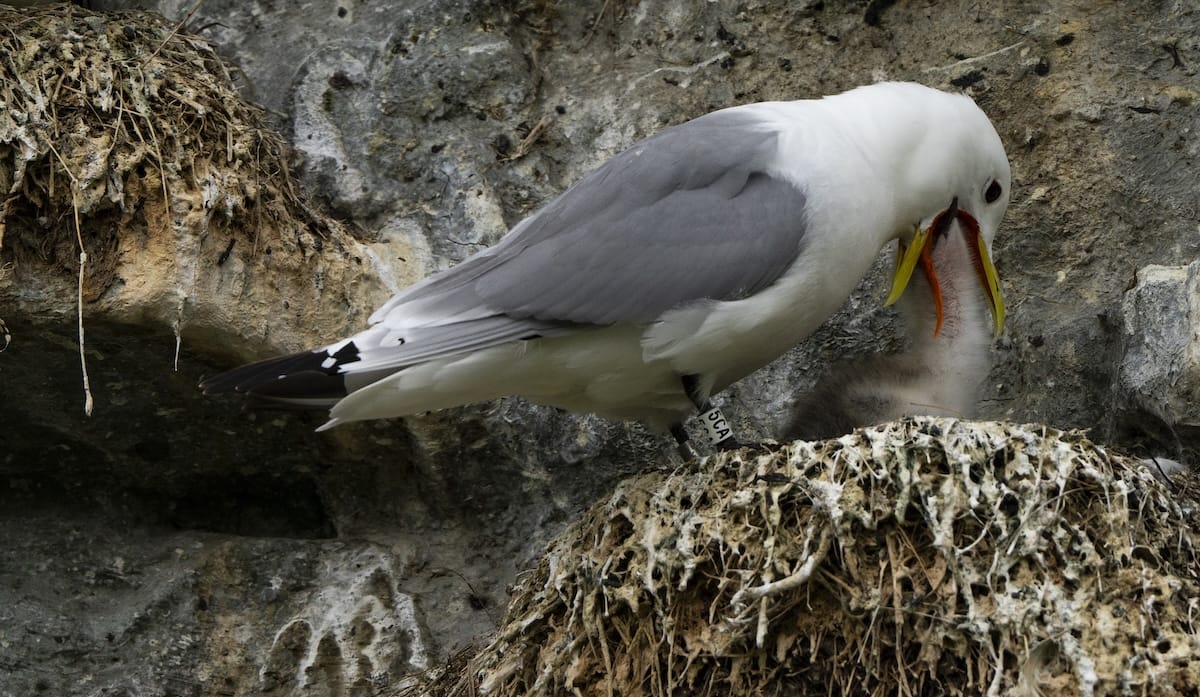
Kittiwakes mate for life; the bond with their mate is strong. As humans, we often dismiss the notions of animals experiencing complex emotions like love, but spend 10 minutes watching a kittiwake colony and you will see love on display. When a kittiwake’s partner returns from the sea, they are greeted with excitement from the one left behind.
The outpouring of emotion is loud and somewhat obnoxious, yet beautiful in its rawness. They look deep into the eyes of their soulmate, and even as an observer, you can see a passion that never seems to burn out. Their unashamed love for each other is something we can all learn from.
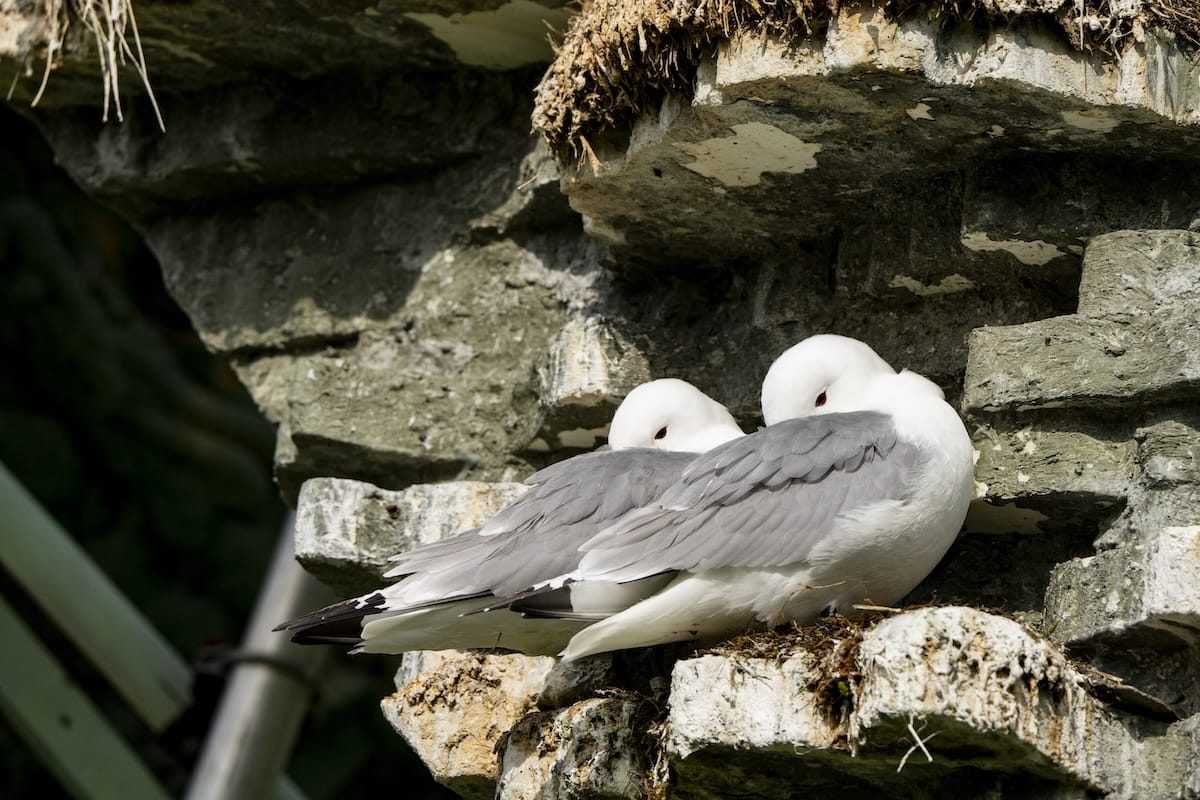
Spend five minutes watching these cheeky birds and you will see their silly side. As mothers sit on the nest incubating their chicks, they peck at their neighbors and squabble over the small things. Their chatter is loud but comical and seemingly always full of joy.
Even commotions at the breeding grounds are short-lived, with disputes sorted out in minutes. A short flurry of wings and a little bit of noise. The world could learn a lot from our wild neighbors.
While people strive to differentiate themselves from animals, we are the same. We feel the same, we have an urge to return home, we crave nothing more than to be safe, and we live lives controlled by the desire to love and be loved. However, where our feathered friends manage to show acts of love, we choose to hate and inflict cruelty on species we arbitrarily choose to persecute.
How to Help Support the Kittiwakes of Northern Norway
The reality is that with little investment and a change in attitude, we could coexist with these birds and make cities that work for both humans and kittiwakes. This is why I chose to volunteer with Rissa, a non-profit in Tromsø who are looking to find ways to protect kittiwakes and replenish the nature in and around Tromsø.
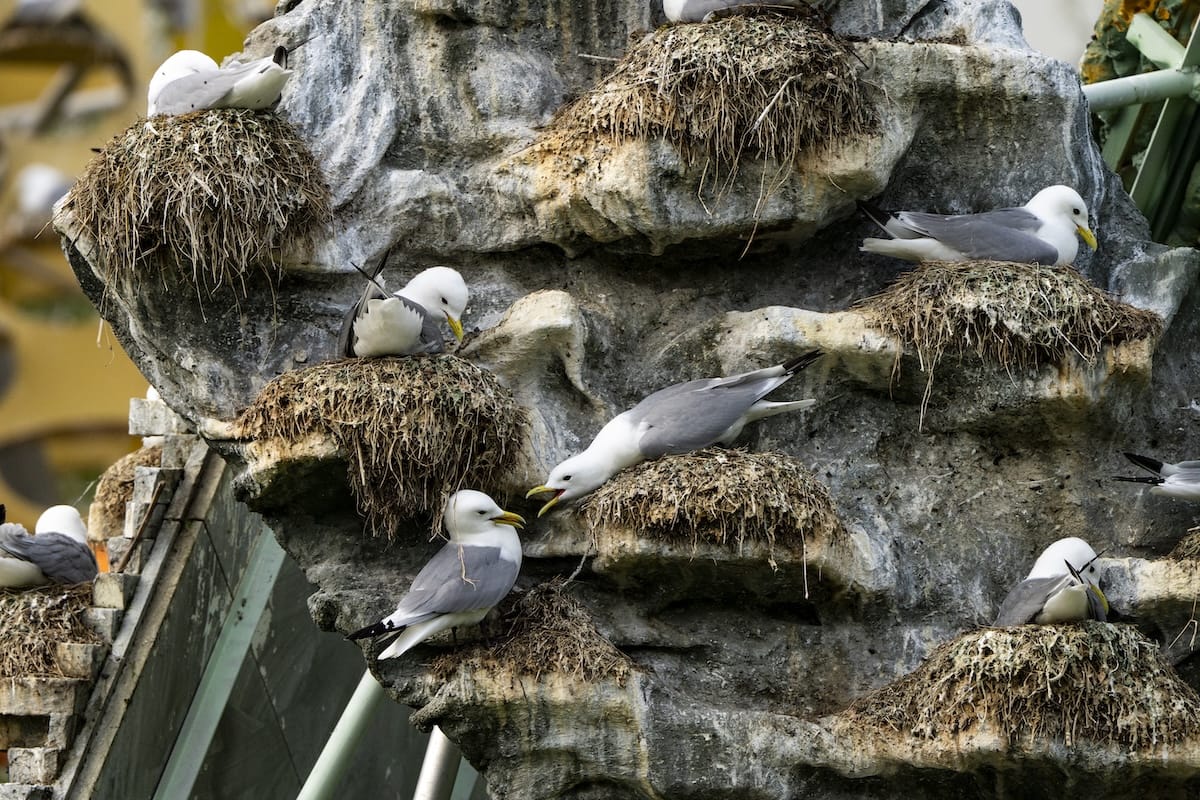
With the kittiwakes, they champion the building of kittiwake hotels that encourage the birds to nest in set locations off of buildings and away from being persecuted by homeowners and businesses. As part of this program, there is a keen group of kittiwalkers who walk the streets of Tromsø, counting the birds, nests, and chicks to give an accurate picture of the population of kittiwakes throughout the city.
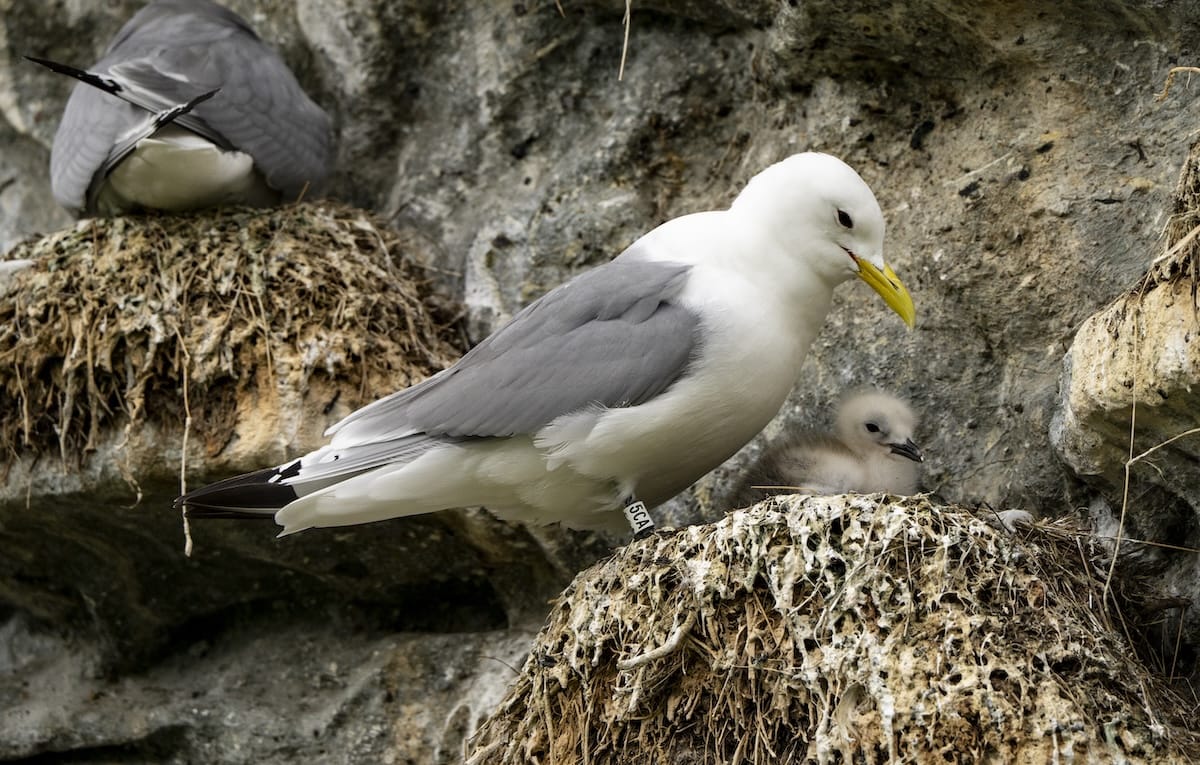
Kittiwakes are a protected species, and destroying nests that are being used is illegal. However, despite these acts of violence against these birds happening, this has dropped since they know the kittiwalkers patrol the streets.
However, the battle to have the importance of these birds recognized continues to be an uphill struggle. Rissa constantly reaches out to the owners of businesses to support them and, where needed, find an ethical way to encourage the birds to find a new home.
Coexisting is not hard. We can find benefits in a world shared together. Kittiwakes produce copious amounts of guano (bird poo) that is high in nitrates, and Rissa is looking to see if it makes good soil fertilizer to allow for more bountiful crops to be grown. Businesses can show off their environmental goals by instead of funding cruel anti-bird practices, sponsoring the creation of a hotel.
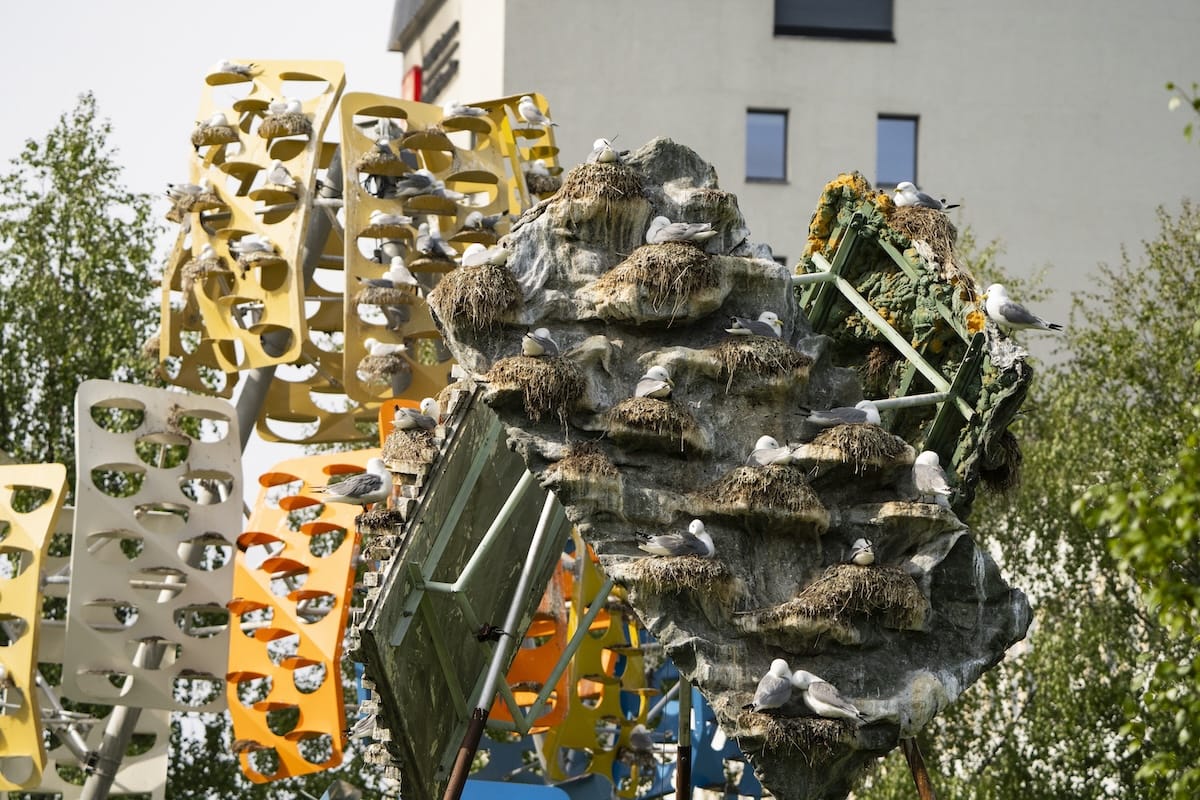
Residents can tune in to the noise of birds and spend time closely watching the colonies, join kittiwalks, and gain an appreciation for an endangered bird that has chosen to live in their city. Tourists can join the kittiwalks, play their part in monitoring the animals, and give back to the country they are visiting in a small but very meaningful way.
Together, we can bring these birds back from the brink; we can share our home with them because, in the end, fundamentally, they are just like us. A little loud, a tiny bit smelly, homebodies who just want to be loved.